











Catalogues still play an important role in many industries. Furniture brands, fashion labels, design studios and corporate suppliers often rely on printed catalogues to present their collections in a clear and organised way.
When those catalogues are sent to retailers, partners or clients, they are often packaged in rigid catalogue boxes rather than simple mailers. These boxes provide a structured way to hold printed materials while keeping them protected during transport. Across marketing and corporate communication, rigid catalogue boxes have become a practical option for sending catalogues, brochures and presentation kits together in one place.
Built to Hold Printed Materials Securely
Catalogues are much heavier than standard brochures. A single catalogue may contain dozens or even hundreds of pages printed on thick paper stock. When several materials are included in the same package, the weight increases quickly.
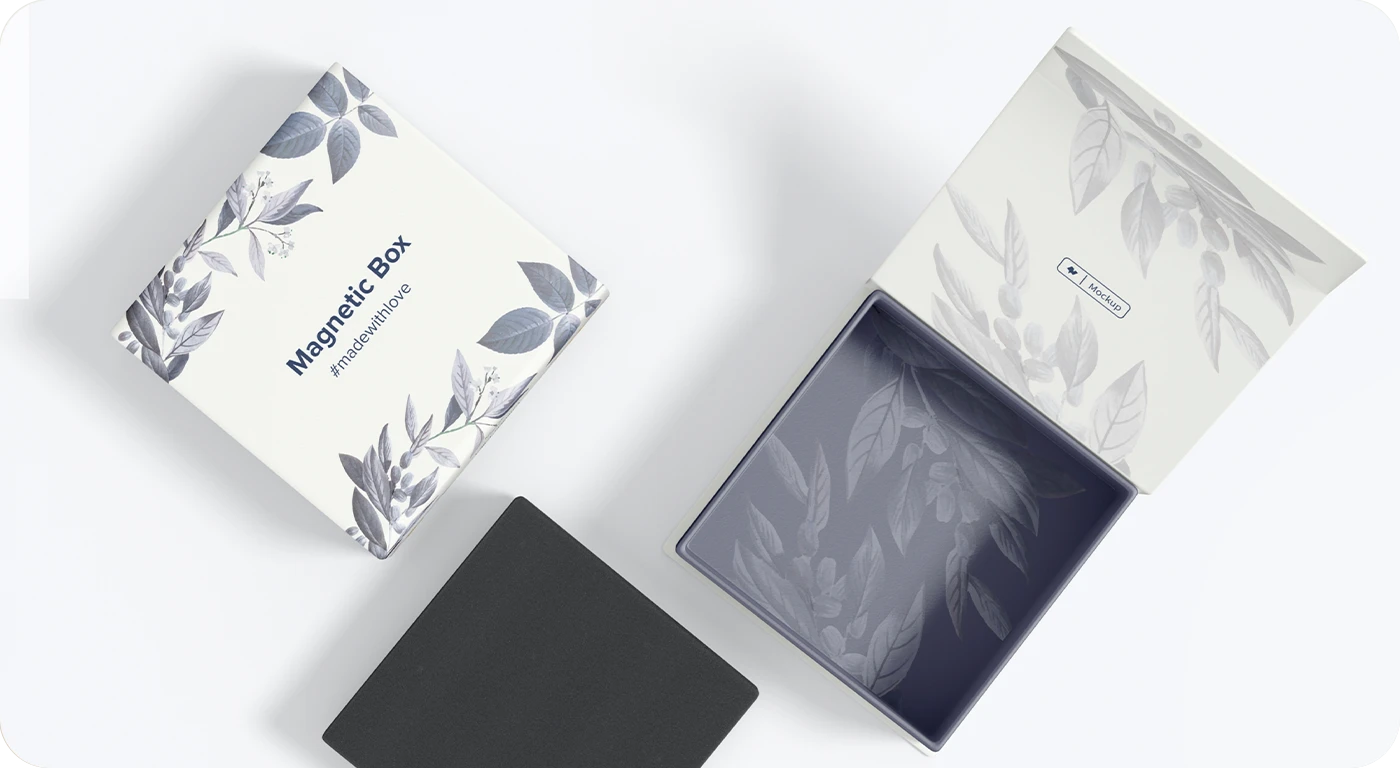
Rigid catalogue boxes are built from thick paperboard or greyboard, which gives the structure a solid frame that does not collapse easily. Because the box keeps its shape, it protects printed materials from bending, folding or corner damage while they move through shipping and handling. Many catalogue boxes also include internal inserts or trays. These inserts hold catalogues, product samples or marketing cards in position so they remain neatly arranged inside the box.
For businesses sending presentation kits to clients or retailers, this layout keeps everything organised from the moment the box is opened.
Used for Marketing Kits and Sales Presentations
Rigid catalogue boxes are widely used for corporate marketing kits. Companies often send catalogues together with printed brochures, brand information and product samples.
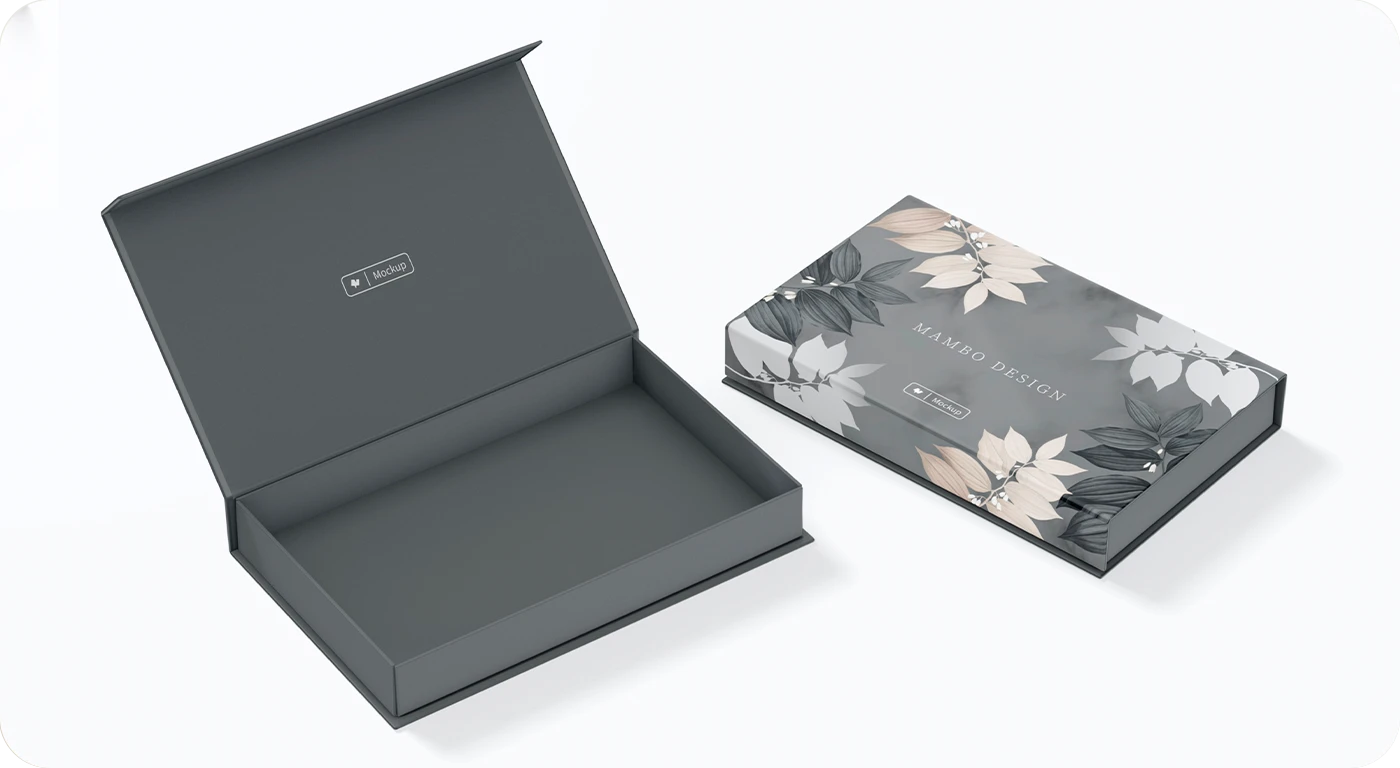
Instead of shipping several loose items, everything can be placed inside a single box. This helps sales teams present their materials in a clear format when meeting potential clients or distributors. Furniture companies, interior design brands and textile suppliers often use these boxes when sending seasonal catalogues. The box acts as a protective case for the printed book while also carrying brand graphics on the outside. Some businesses also use catalogue boxes for product launch kits. In these cases, the packaging may include a catalogue alongside small samples, colour swatches or promotional items.
Box Styles That Suit Presentation Materials
Rigid catalogue boxes appear in several structural styles depending on how the materials inside are arranged. Lid-and-base boxes are one of the most common formats. The top lid lifts away from the base, revealing the catalogue and any additional contents underneath.
Magnetic book-style boxes are also widely used for presentation kits. These boxes open like a hardcover book, which creates a structured reveal when the recipient opens the package. Drawer-style boxes are another option. In this design, the inner tray slides out from a sleeve, allowing the catalogue and supporting materials to remain arranged inside the tray.
All of these structures rely on rigid board construction, which gives the box its strength and keeps the packaging intact even when it carries heavier printed materials.
Printing and Branding on Catalogue Packaging
Catalogue boxes often serve as an extension of a company’s printed materials. The outside of the box may include the same colours, typography or imagery that appear in the catalogue itself.
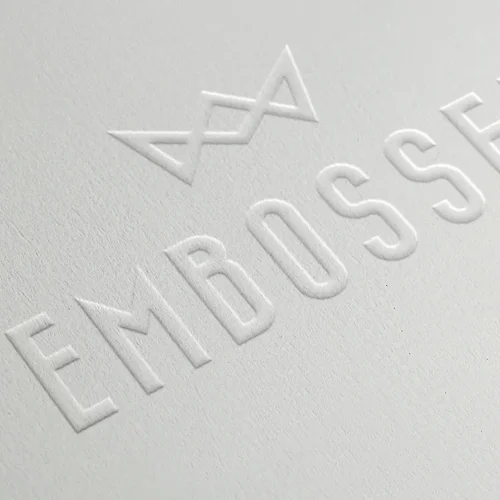
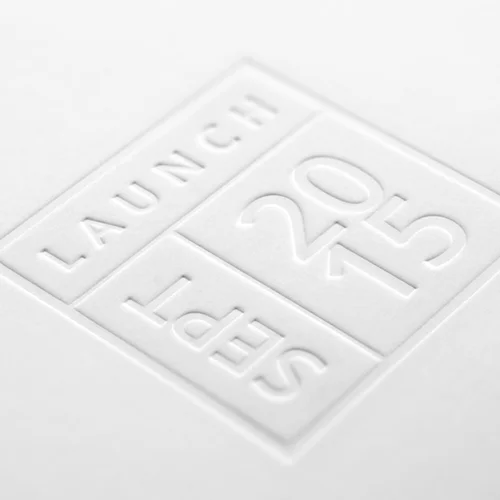
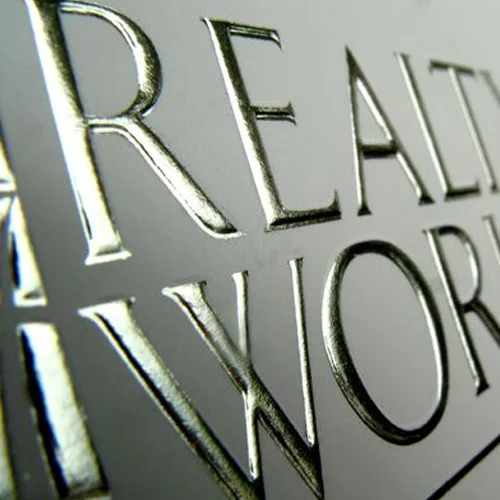
Offset printing is commonly used for rigid box wraps because it produces detailed graphics across large surfaces. Finishing techniques such as foil stamping, embossing or soft-touch coatings are sometimes added for presentation kits sent to high-value clients. Many businesses keep the design simple so the box matches the catalogue without overwhelming it. A clean layout with a logo, brand colour and subtle texture often works well for corporate materials. Inside the box, inserts may also carry printed graphics or labels to guide the recipient through the contents of the kit.
Sustainability in Catalogue Packaging
Printed catalogues already rely on paper materials, so many companies prefer packaging that follows the same material cycle. Rigid catalogue boxes are commonly made from paperboard or greyboard wrapped in printed paper. These materials can be recycled when processed through paper recycling systems.
Another approach involves designing catalogue boxes that remain useful after the catalogue has been removed. Because rigid boxes are sturdy, recipients often keep them to store documents, notebooks or office materials. A box that stays in use longer naturally creates less waste. Some businesses also reduce packaging weight by refining the internal structure. Inserts made from moulded paper or folded board can replace heavier foam materials while still holding catalogues securely.
Even small adjustments like these help reduce the amount of material used across large catalogue distribution campaigns.
Rigid Catalogue Boxes in Brand Communication
For many companies, catalogues remain an important way to present products, collections and services. When these materials are delivered to clients or partners, the packaging becomes part of the presentation.
Rigid catalogue boxes help organise printed materials, protect them during delivery and present them in a structured format when the box is opened.
For businesses sending marketing kits, lookbooks or corporate catalogues, these boxes provide a practical way to move printed materials from one desk to another without losing their condition along the way.