






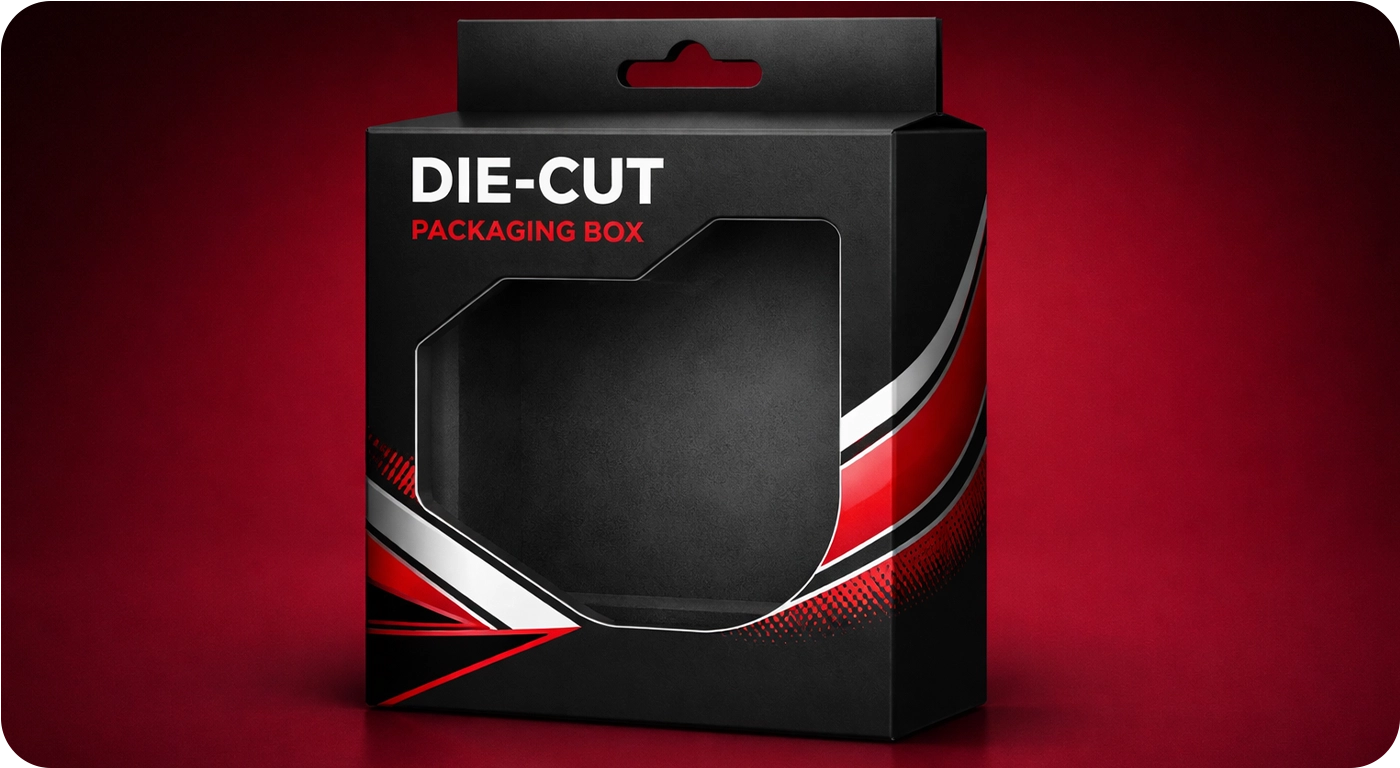
Die-cut packaging is one of the most widely used and versatile packaging solutions across retail, e-commerce, and B2B industries. From custom shapes and windows to precise folds and inserts, die-cut packaging allows brands to move beyond standard box formats and create packaging that fits both product and purpose.
This guide explains what die-cut packaging is, how it works, when it should be used, and why it plays such an important role in modern packaging design.
Understanding Die-Cut Packaging
Die-cut packaging refers to packaging that is cut into specific shapes using a custom-made cutting tool known as a die. Unlike standard straight-cut boxes, die-cut packaging allows for precise shapes, cut-outs, tabs, windows, and folds that are tailored to a product’s exact requirements.
The die itself is typically a steel blade shaped into a specific pattern and mounted onto a flat surface. When pressure is applied, the die cuts the packaging material cleanly and consistently, producing uniform results across large production runs.
This process enables brands to create packaging that is both functional and visually distinctive.
How Die-Cut Packaging Works
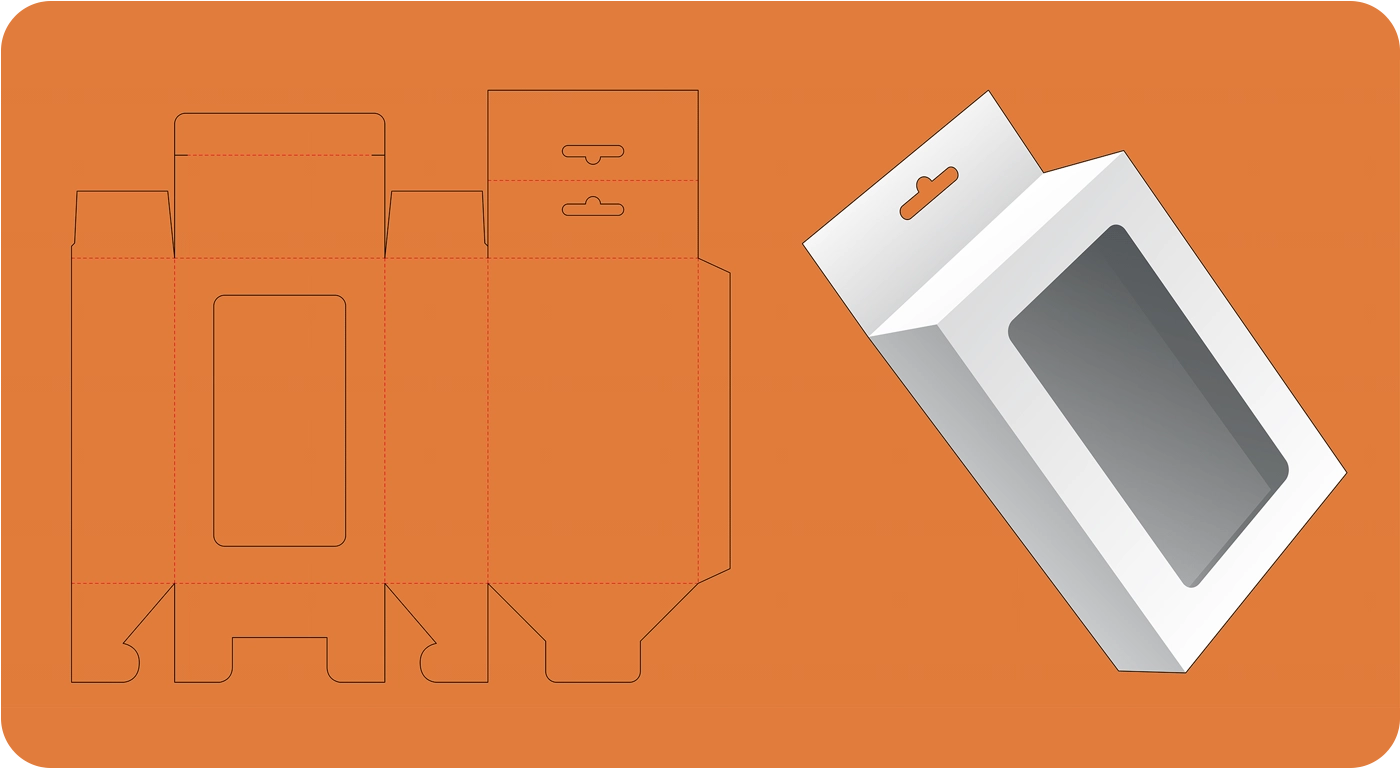
The die-cut process begins with a structural design, often referred to as a dieline. This dieline outlines every cut, fold, and crease required to form the final package.
Once approved, a custom die is manufactured based on this layout. During production, packaging sheets pass through a die-cutting machine, where the die presses into the material to create the desired shape.
The result is packaging that can be folded, assembled, and filled efficiently while maintaining exact dimensions and repeatable quality.
Common Types of Die-Cut Packaging
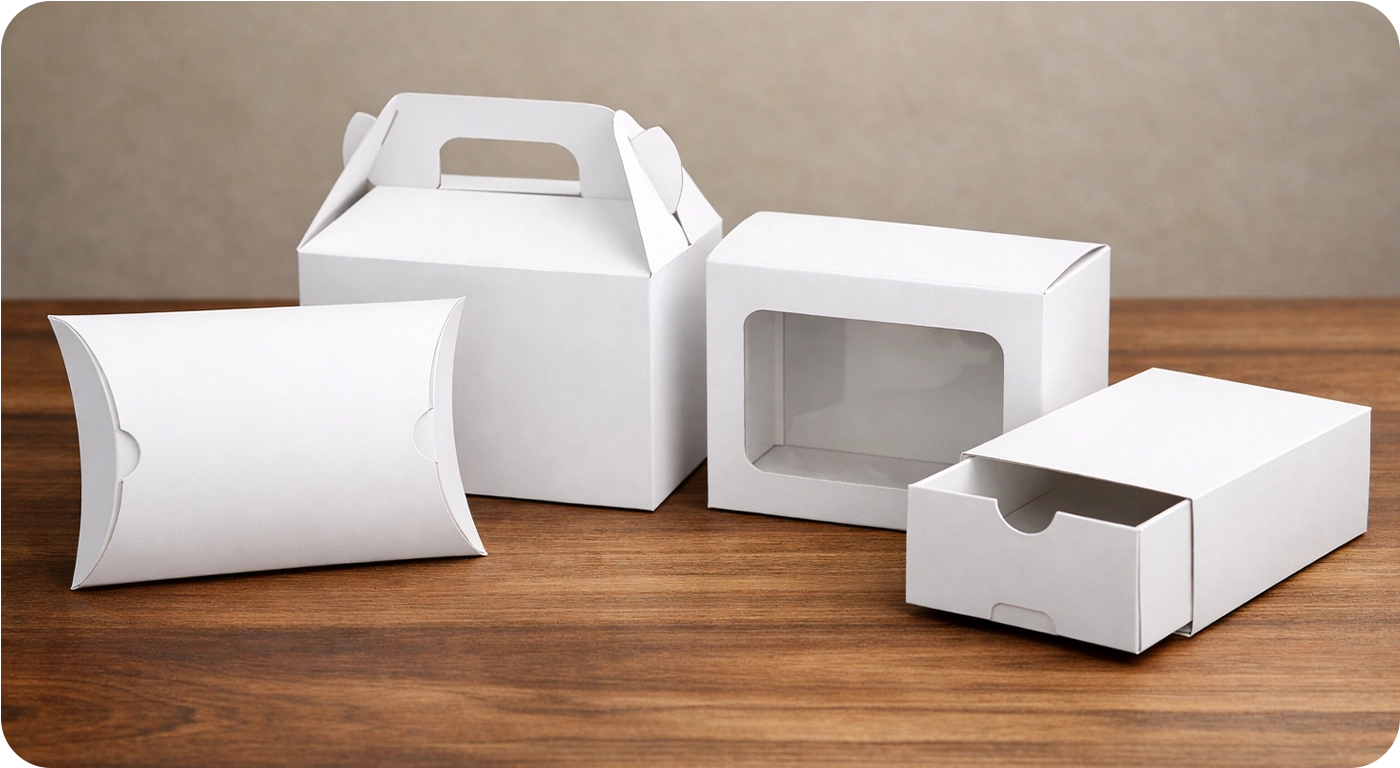
Die-cut packaging is not limited to one style. It is used across many formats, including:
Boxes with custom windows to showcase products
Mailer boxes with locking tabs
Packaging with handles or hang tabs
Unique geometric or branded shapes
Each variation serves a different functional or marketing purpose, but all rely on the same core die-cutting principle.
Benefits of Die-Cut Packaging
Precision and Fit
One of the biggest advantages of die-cut packaging is accuracy. Because the packaging is designed around the product, it reduces empty space, limits movement during transit, and improves overall protection.
A better fit also means fewer additional fillers, which can lower material costs and reduce waste.
Design Flexibility
Die-cut packaging allows brands to break away from generic box designs. Custom cut-outs, creative openings, and unique shapes help products stand out on shelves and in online listings.
This flexibility is especially valuable in competitive retail environments where visual differentiation matters.
Improved User Experience
Packaging that opens smoothly, locks securely, and feels intuitive enhances the customer experience. Die-cut features such as thumb tabs, tear-open sections, and display windows make packaging easier to use and more engaging.
Thoughtful structure often leaves a stronger impression than graphics alone.
Consistency at Scale
Once a die is created, it can be used repeatedly to produce consistent packaging across large volumes. This ensures uniform quality, accurate branding, and predictable performance across batches.
For growing brands, this consistency is essential.
Materials Used in Die-Cut Packaging
Die-cut packaging can be produced using a variety of materials depending on the product and use case. Common options include:
Cardboard for retail and lightweight products
Corrugated board for shipping and protection
Kraft paper for eco-focused packaging
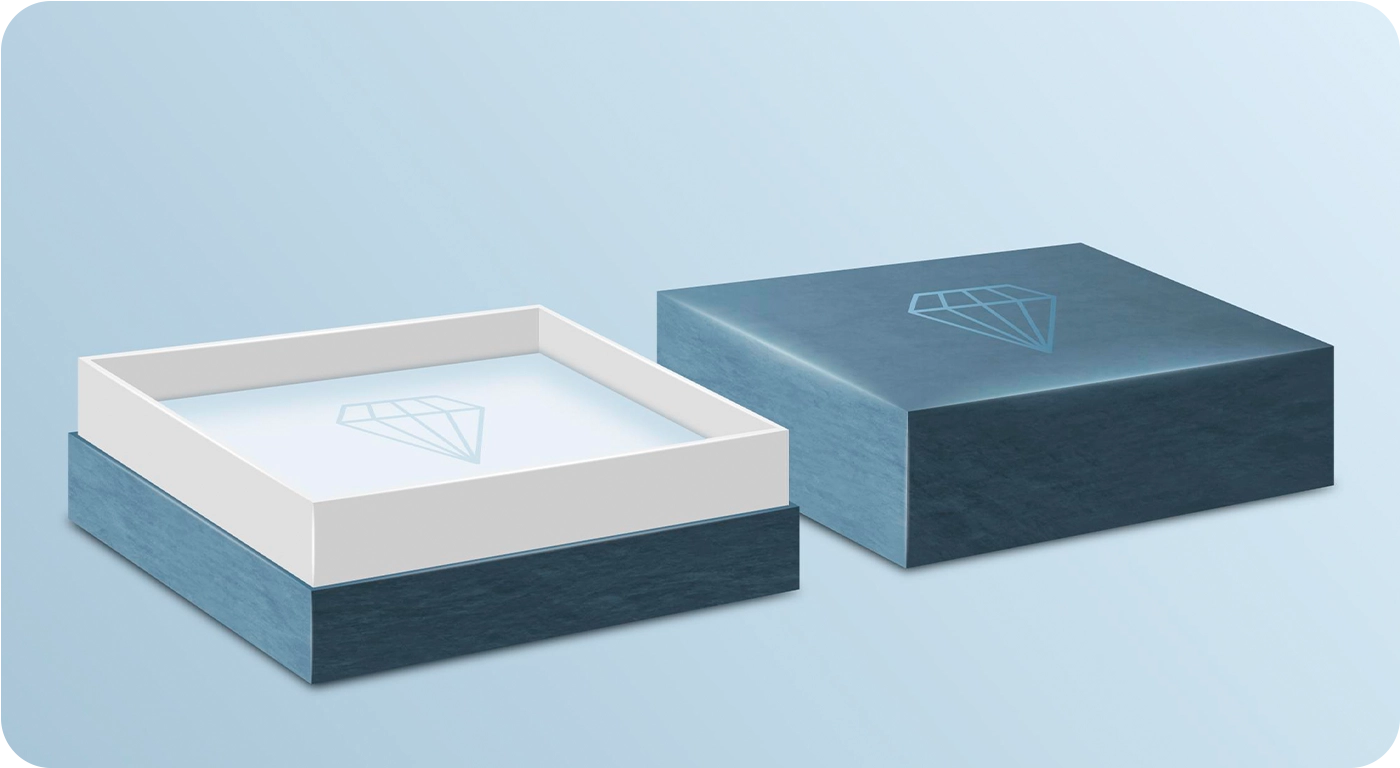
Rigid board for premium or luxury applications
The choice of material affects durability, print quality, cost, and sustainability. Selecting the right material is just as important as the die-cut design itself.
When Should Brands Use Die-Cut Packaging?
Die-cut packaging is particularly useful when:
A product requires a secure, custom fit
Visual presentation is a priority
Packaging needs to include windows or cut-outs
Unboxing experience matters
Retail display or shelf impact is important
Packaging must assemble quickly at scale
It is commonly used across cosmetics, electronics, food items, subscription boxes, promotional kits, and retail displays.
Die-Cut Packaging and Branding
Packaging structure plays a key role in brand perception.
Die-cut elements can reinforce branding by guiding how customers interact with the package. A well-placed window highlights the product. A unique opening sequence adds anticipation. A clean, precise cut signals quality and professionalism.
When combined with strong printing and material choices, die-cut packaging becomes a branding tool rather than just a container.
Cost Considerations
Die-cut packaging typically involves an upfront cost for creating the die. However, this cost is spread across production runs and often becomes negligible at scale.
In many cases, the efficiency gained through faster assembly, reduced material usage, and improved product protection offsets the initial investment.
For brands planning consistent or long-term packaging use, die-cut solutions are often cost-effective.
Sustainability and Die-Cut Packaging
Die-cut packaging can support sustainability goals when designed thoughtfully.
Custom sizing reduces excess material. Precise cuts minimize waste during production. Recyclable materials and efficient layouts further lower environmental impact.
Sustainability is most effective when considered at the structural design stage rather than added later.
Choosing the Right Packaging Partner
Successful die-cut packaging depends on experience.
A knowledgeable packaging printer helps refine die lines, select appropriate materials, and ensure that the final packaging performs well in real-world conditions. Attention to detail during prepress and testing prevents costly errors during production.
Working with an experienced partner ensures that design intent translates accurately into finished packaging.