







First impressions are everything when it comes to a crowded retail environment. Hence, a display box design doesn’t just hold the product but guides the shoppers’ attention, communicates value, and influences the buying decision even before the item is picked up. Brands in the US have noticed a significant rise in impulse purchases, brand’s visibility, and brand’s credibility all through investing in custom display packaging.
Structural Designs That Catch the Eye
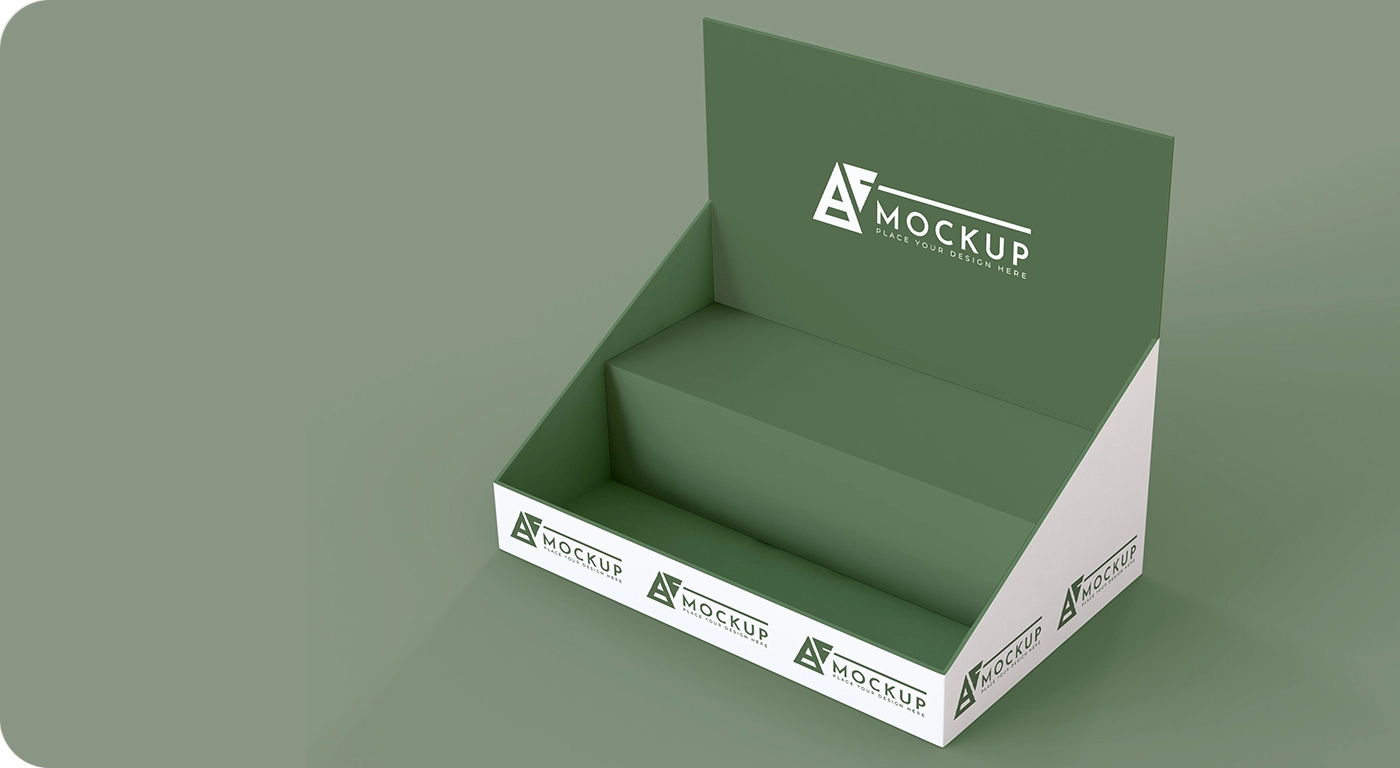
There are various different display box shapes that dramatically change how a product is perceived. Tiered boxes are used to elevate smaller items to eye level, open-front boxes allow customers to see and feel the product, and multi-compartment boxes make browsing easy by organizing compartments.
Quick visual takeaway:
- Tiered layouts for small or featured products
- Open-front designs for tactile engagement
- Multi-compartment boxes for assortments and bundles
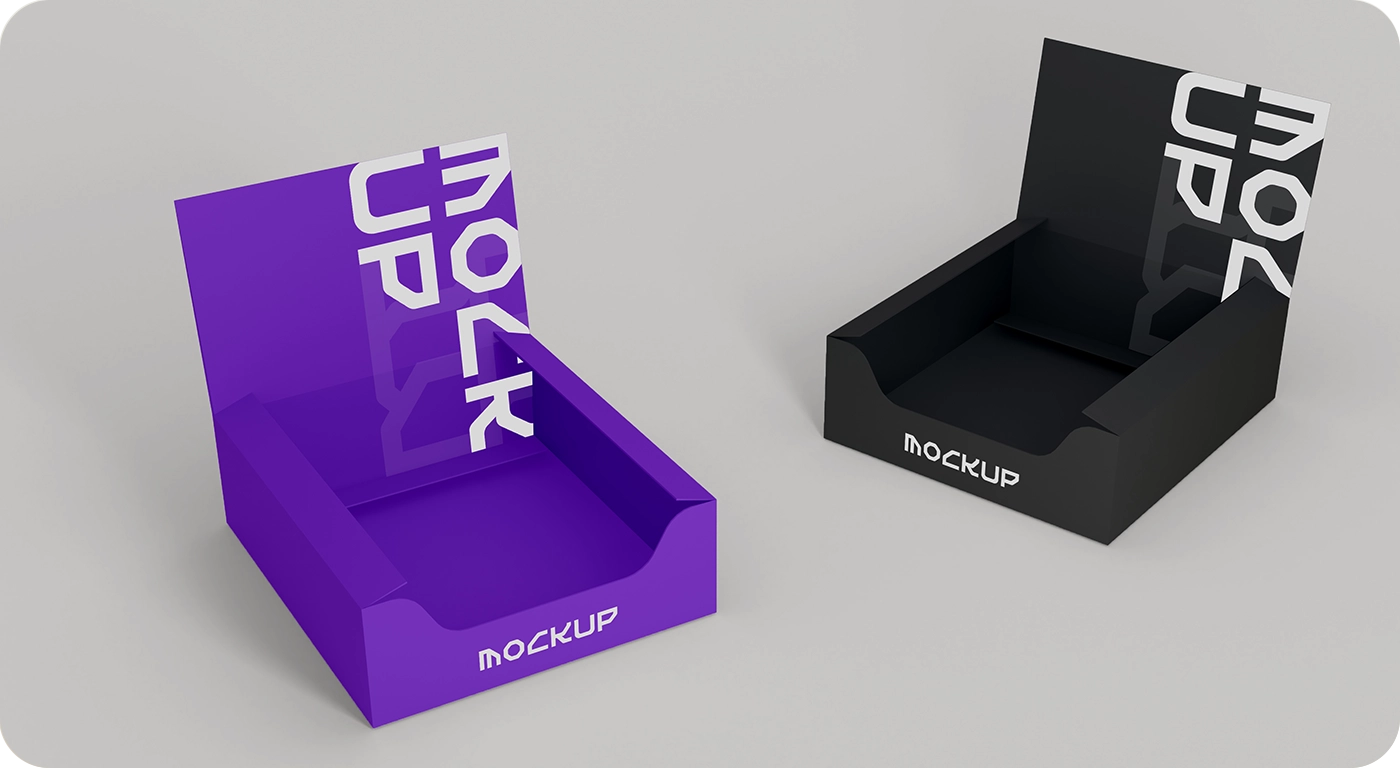
Color, Finish, and Material Matter
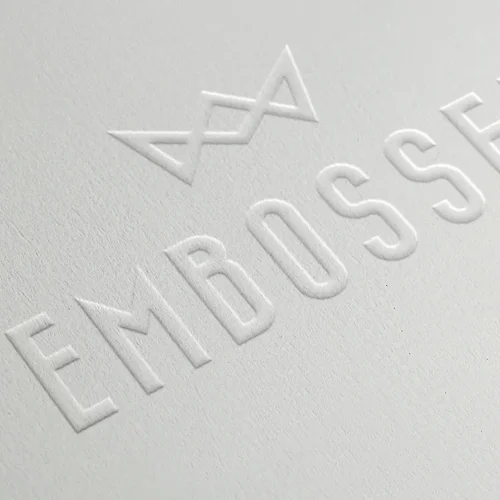
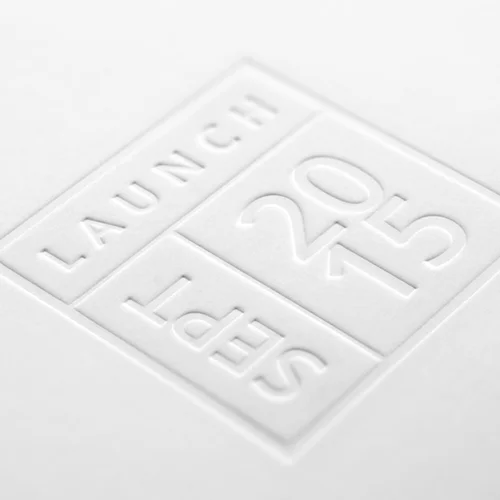
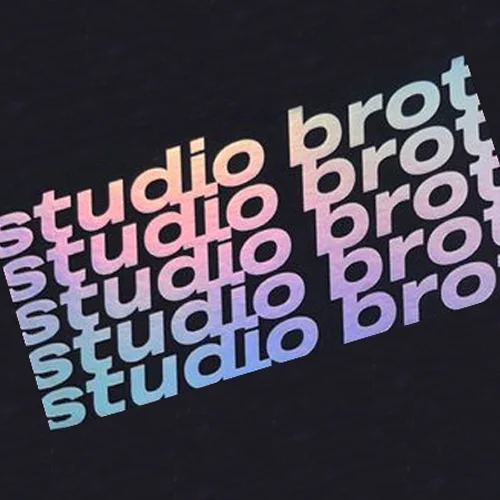
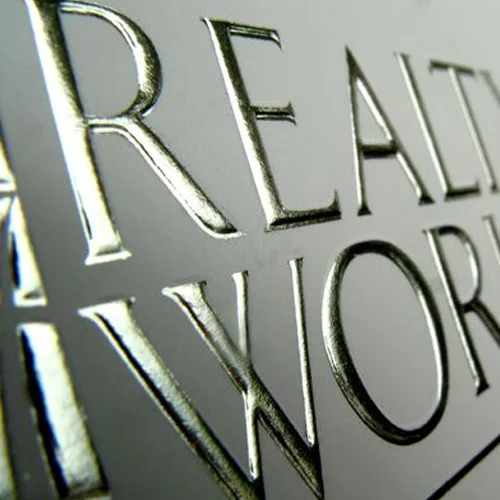
Where there is visual appeal, there is shelf engagement. Display boxes often act as a canvas, it allows for thoughtful design elements such as logos, consistent typography, and strategic color use to reinforce brand identity without taking to much away from the product itself. Bright, bold colors make snacks or beverages stand out, while soft pastels or matte finishes scream luxury for cosmetics and lifestyle products. However, design goes beyond just colors and logos. It’s the material that communicates quality; rigid boards, coated papers, or embossed finishes not only protect the product but also increases the perceived value of the brand or product. Any temporary collab or seasonal branding also creates excitement among the consumers, boosting recognition and repeat purchases.
Tips for impact:
- Vibrant colors for food, beverages, or seasonal promotions
- Sleek matte or metallic finishes for beauty and high-end products
- Durable, sustainable materials for eco-conscious buyers
Flexibility for Retail Spaces
Display boxes have to adapt to different shelf sizes, foot traffic, and lighting conditions in retail environments. While modular or stackable designs allow retails to maximise floor space, adjustable layouts let staff high-light best sellers, seasonal items, or promotional products without requiring new packaging every time. By customizing the display box packaging, you make it flexible enough for retail stores:
- Custom sizing and dimensions: Fit shelves perfectly, whether for small counters or large floor displays.
- Interchangeable compartments: Allow rearranging products or stocking multiple SKUs efficiently.
- Stackable or collapsible designs: Make storage, shipping, and setup easier while maintaining shelf presence.
- Tiered or angled layouts: Ensure visibility even when the shelf is crowded or low-stocked.
- Easy relocation: Boxes can move between departments, stores, or pop-up locations without losing impact.
- Compatibility with lighting and signage: Designs that accommodate spotlights, shelf labels, or promotional signage enhance visibility.
Flexible display boxes aren’t just containers; they adapt to the store environment, making merchandising simpler for the stuff and more appealing to the shoppers.
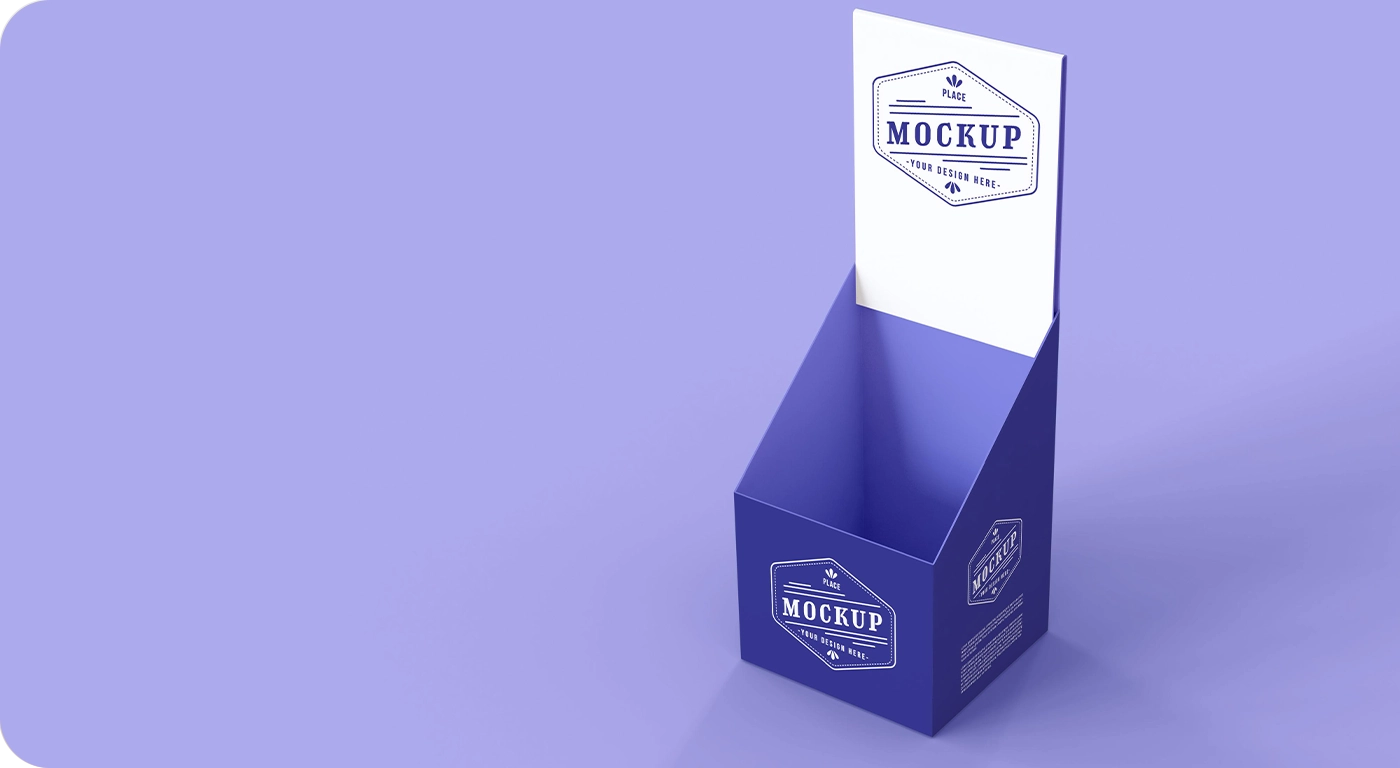
Interactive Features That Engage Customers
The best thing about modern display boxes is that it can include interactive elements that boosts shopper engagement or repeat purchases:
- Peel-away panels or sample slots
- QR codes linking to tutorials or campaigns
- Swatch sections for cosmetics
- Hidden compartments for promotional items
This encourages consumers to touch, explore, and interact with the product, extending dwell time and increasing the likelihood of a purchase.
FAQs About Display Box Designs
- Can display boxes be customized for seasonal promotions without redesigning the whole product line?
Yes, you don’t have to change the primary box structure when you use modular designs. It allows temporary branding, colors, or messages to be swapped for holidays or launces. - How do material choices influence shopper perception?
When the packaging feels premium, it boosts the perceived worth and quality of the goods. Using materials like glossy board, matte paper, or kraft finishes impact durability and tactile experience. - Do interactive elements actually increase sales?
Yes, features such as samples windows, QR codes, or peal-back panels improve engagement, encourage trials, and can boost purchases. - Are display boxes suitable for both small and large products?
Absolutely! Design for display boxes range in size and shape. You can have compact countertop displays to tiered or multi-compartment boxes for larger assortments. - Can display boxes reduce product damage while maintaining appeal?
Yes, the right design balances protection with presentation. With the use of inserts, dividers and structural layouts, you can keep the product secure while maintaining an eye-catching display.