











Eco-friendly packaging is now an essential consideration for modern businesses. Brands are expected to lessen their environmental footprint while still producing robust, well-designed packaging as sustainability standards rise.
Eco-friendly packaging emphasises waste reduction throughout the packaging lifespan, efficient design, and ethical material selection. When done properly, it promotes both brand credibility and environmental objectives.
Eco-Friendly Packaging Really Means
From creation to disposal, eco-friendly packaging aims to reduce environmental damage.
This entails cutting back on unnecessary packing, using recyclable or biodegradable materials, and creating environmentally friendly custom boxes. Sustainability is not only limited to a specific material or method but a more comprehensive approach to the production and use of packaging.
Materials Commonly Used in Sustainable Packaging
Several materials are widely used in eco-friendly packaging solutions:
Paperboard and Corrugated Packaging
These materials are lightweight, recyclable, and appropriate for a variety of customized packaging, such as retail and shipping boxes.
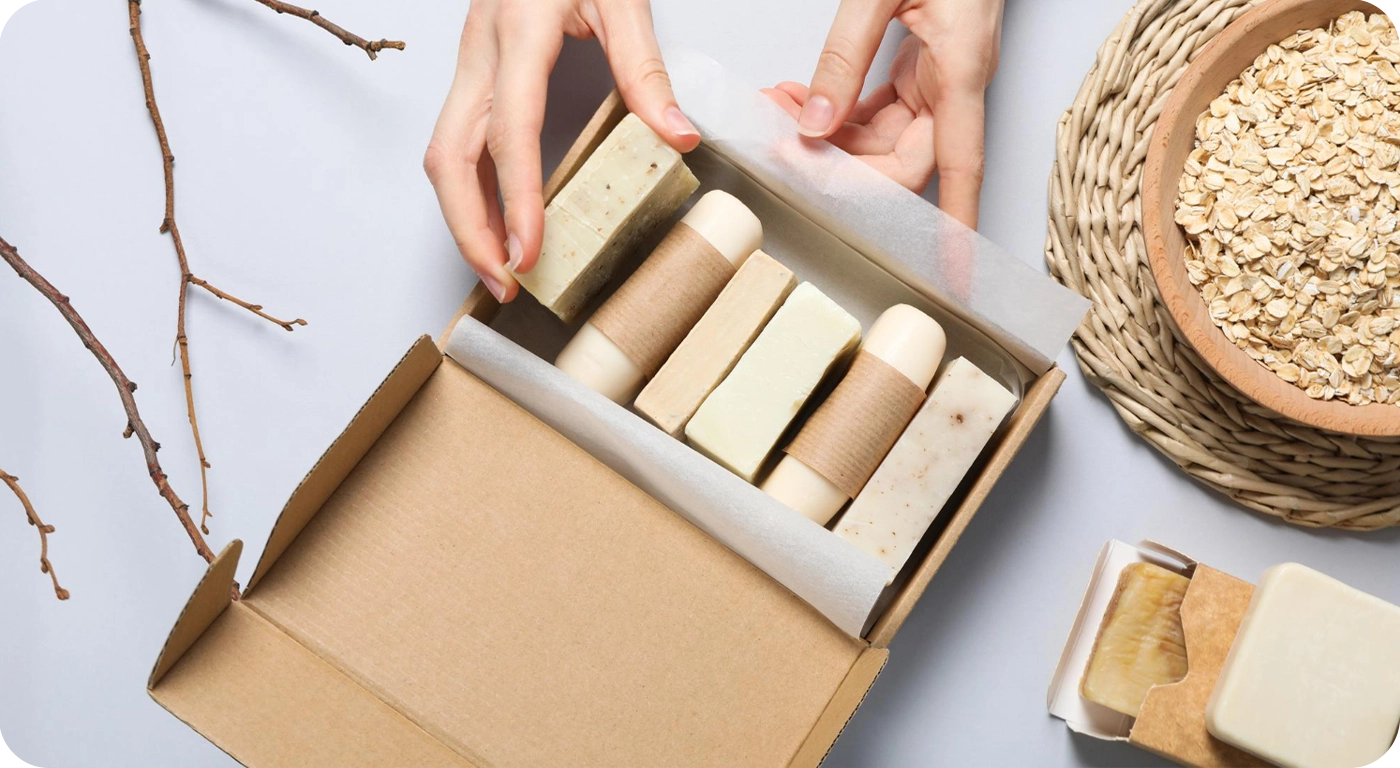
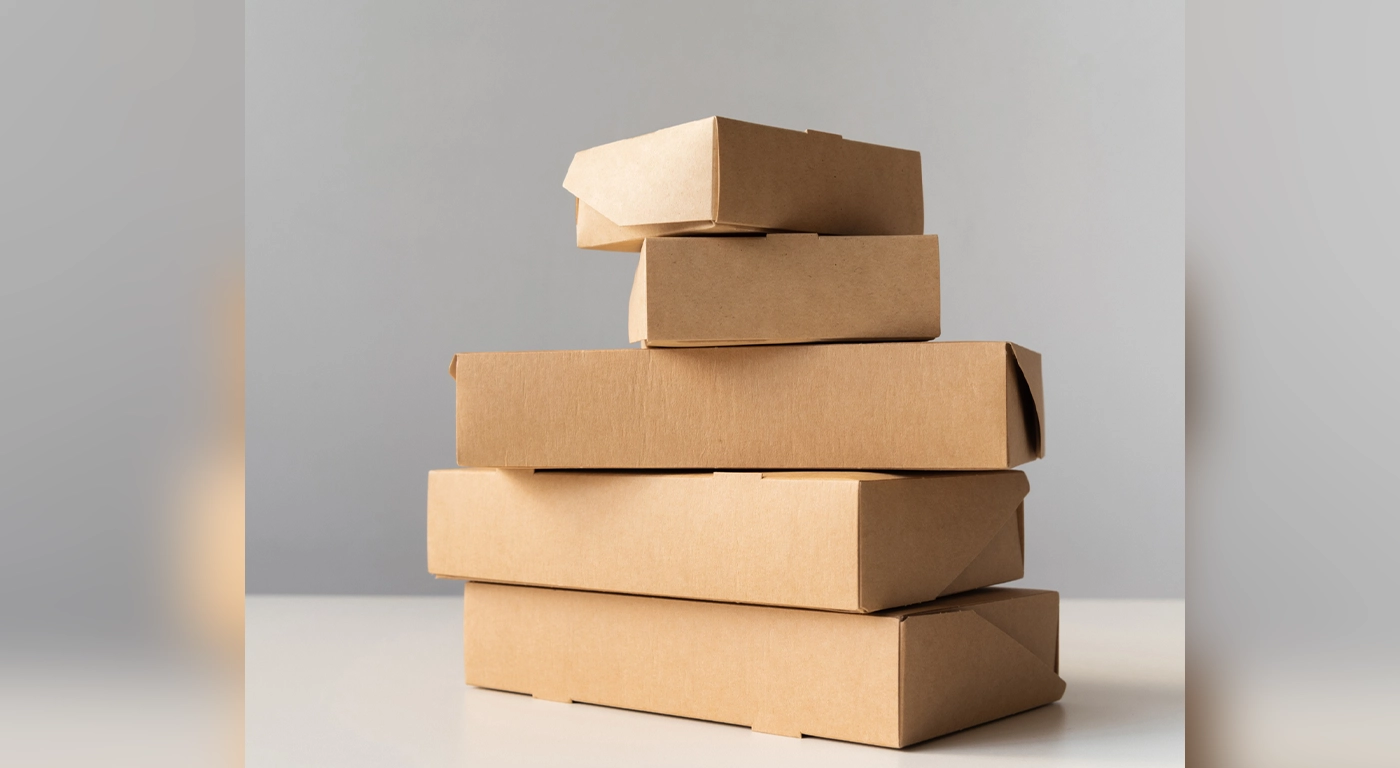
Kraft Packaging
Kraft paper has natural strength and is made with fewer chemicals. Its unpolished look is often associated with packaging for eco-friendly products.
Recycled Content Materials
Packaging made with post-consumer recycled content reduces reliance on virgin materials and supports a circular packaging system.
Biodegradable Options
Certain packaging materials are designed to break down naturally over time, making them suitable for specific product categories.
How Packaging Design Impacts Sustainability
Design is just as important to sustainability as materials.
Custom-sized packaging minimises filler requirements and wasted space. Effective structural design uses fewer resources while increasing protection. Additionally, well-made custom boxes ship more quickly, which lessens transportation impact.
Eco-friendly packaging works best when sustainability is considered during the design phase rather than added later.
Benefits of Eco-Friendly Packaging for Brands
Sustainable packaging offers long-term value beyond environmental impact.
reduce material waste
supports regulatory compliance
improves operational efficiency
strengthens brand trust
For many brands, sustainability has become a competitive advantage rather than a cost.
Customer Expectations and Sustainable Packaging
A brand’s beliefs are directly reflected in its packaging.
Eco-friendly packaging communicates responsibility without using a lot of words. Customers can immediately identify sustainable through clean materials, straightforward design, and obvious labelling.
The entire product experience is improved when packaging meets consumer expectations.
Common Misunderstandings About Eco-Friendly Packaging
A common misconception is that customization is restricted by eco-friendly packaging.
Eco-friendly materials can actually be used for professional product packaging, branded printing, and completely customized boxes.
Cost is another misconception. Effective packaging design often reduces overall costs by minimising waste and optimizing shipping, even though some sustainable materials may initially cost more.
Choosing the Right Eco-Friendly Packaging Solution
There is no one-size-fits-all approach.
The right eco-friendly packaging depends on product requirements, distribution methods, and brand goals. Material performance, recyclability, and print compatibility should all be considered.
Working with an experienced packaging supplier helps ensure that sustainable packaging performs well in real-world conditions.
The Role of Eco-Friendly Packaging in the Future
The packaging industry is still being shaped by sustainability.
Brands that invest in environmentally friendly packaging are better positioned to adjust as laws change and consumer awareness rises. Today, thoughtful packaging decisions promote environmental responsibility and long-term brand growth.