









Choosing the right packaging material is a key decision for any brand. It affects not only product protection, but also cost, sustainability, and how the brand is perceived by customers.
Understanding the differences between corrugated, cardboard and kraft boxes helps brands strike the right balance between performance and presentation.
Although these materials are often grouped together, they serve very different purposes depending on product weight, distribution method, and brand positioning.
Understanding Packaging Material Basics
At first glance, corrugated, cardboard, and kraft boxes may look similar. In reality, they differ significantly in structure, strength, appearance, and intended use.
Each material is designed to solve specific packaging challenges. Choosing the wrong option can result in damaged products, unnecessary costs, or packaging that does not align with the brand’s image.
What Are Corrugated Boxes?
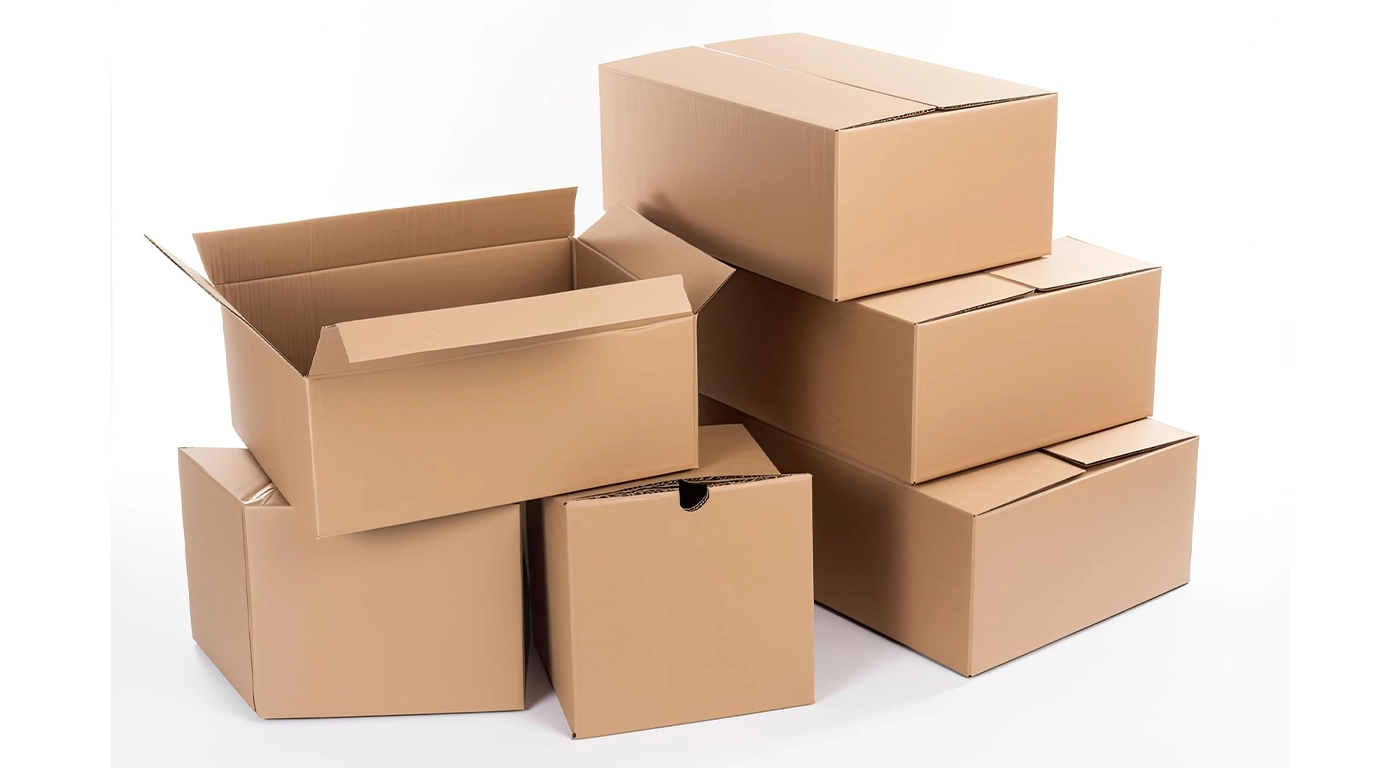
Corrugated boxes are made from multiple layers of paperboard. They typically consist of two flat linerboards with a fluted layer in between.
This fluted core is what provides strength, cushioning, and shock absorption.
Because of this structure, corrugated boxes are ideal for shipping, storage, and transporting heavy or fragile items. They are widely used in e-commerce, logistics, and bulk distribution, where protection during handling and transit is essential.
Key Benefits of Corrugated Boxes
Strong Product Protection
The fluted inner layer absorbs impact and limits movement inside the box, helping to prevent damage during transport.
Strength and Versatility
Corrugated boxes can support a wide range of weights and sizes, making them suitable for everything from electronics to industrial products.
Flexible Customisation
They can be customised with die-cuts, inserts, and branding without compromising structural integrity.
What Is Cardboard Packaging?
Cardboard packaging generally refers to a single-layer paperboard material used for lightweight and retail-focused packaging.
Unlike corrugated packaging, cardboard does not contain a fluted layer. As a result, it offers less protection but provides a cleaner appearance and lower material cost.
Cardboard boxes are commonly used for food packaging, cosmetics, pharmaceuticals, and retail displays, where shelf appeal is more important than shipping durability.
Key Benefits of Cardboard Boxes
Smooth, Printable Surface
Cardboard provides excellent print quality, allowing for sharp graphics, detailed branding, and clear product information.
Lightweight and Cost-Effective
Because it uses less material, cardboard is often a more economical choice for high-volume retail packaging.
Ideal for In-Store Presentation
When heavy protection is not required, its clean structure and smooth finish help create a premium shelf presence.
What Are Kraft Boxes?
Kraft boxes are made from kraft paper, which is produced using a chemical process that preserves the natural strength of wood fibres.
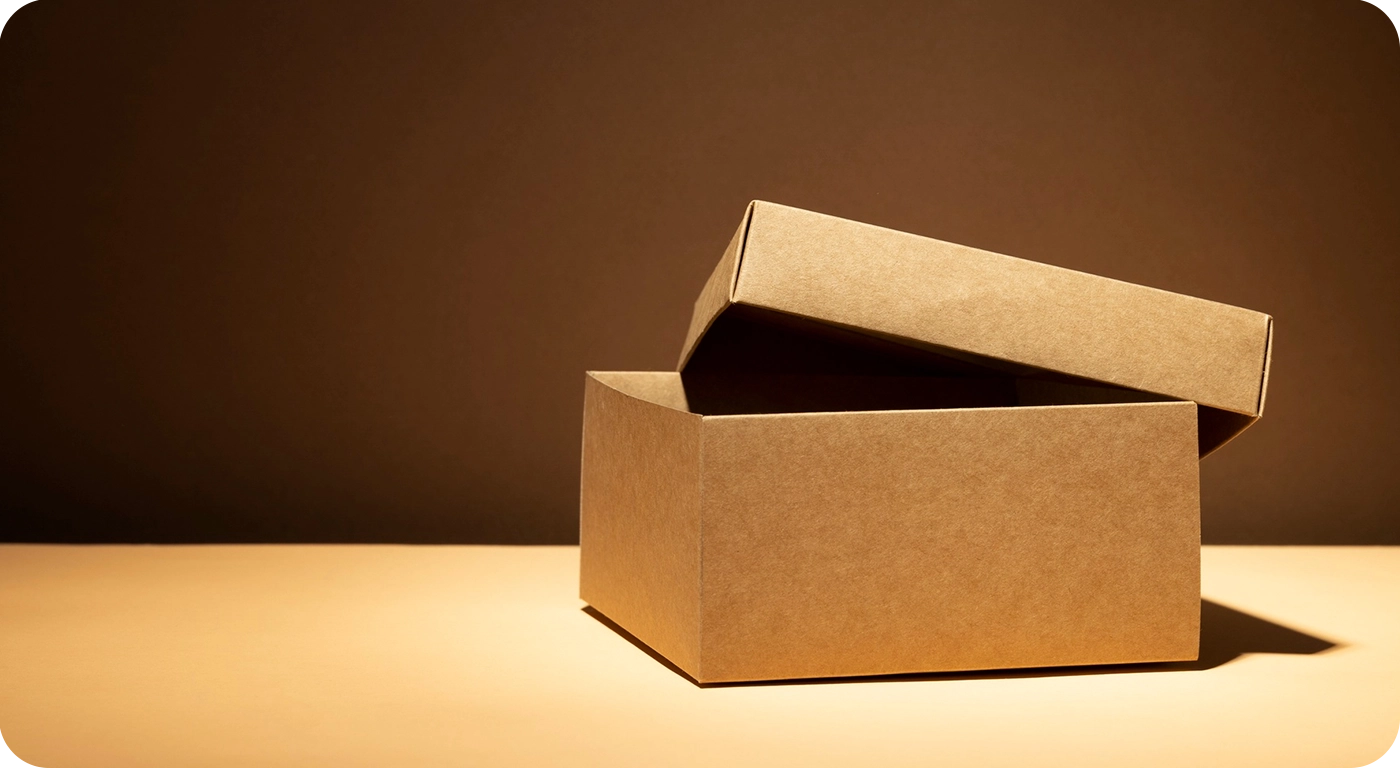
They are easily recognised by their natural brown colour and slightly textured surface. Kraft packaging is commonly chosen by brands that want to emphasise sustainability and a natural aesthetic.
Kraft boxes can be made using either cardboard or corrugated structures. What sets them apart is the material itself rather than the box construction.
Key Benefits of Kraft Boxes
Strong and Durable
Despite their natural appearance, kraft materials are highly resistant to tearing and offer reliable strength.
Sustainability Appeal
Kraft packaging is often recyclable, biodegradable, and made from renewable resources, making it popular with environmentally conscious brands.
Natural Brand Positioning
The uncoated, raw look communicates simplicity, authenticity, and responsibility without relying on heavy design elements.
Comparing Use Cases Across Materials
Different packaging needs call for different materials.
Corrugated boxes are best suited for shipping, bulk packaging, and products that require protection during transit.
Cardboard boxes are ideal for retail packaging where visual presentation matters most.
Kraft boxes work well for brands that want to highlight sustainability and natural values without sacrificing functionality.
Selecting the right material requires an understanding of the product, distribution method, and customer expectations.
Cost and Performance Considerations
Corrugated packaging generally costs more than standard cardboard due to its layered construction, but it provides significantly better protection.
Cardboard is more cost-effective for lightweight products and short supply chains.
The cost of kraft packaging varies depending on thickness and structure, but it often delivers long-term value through durability and sustainability benefits.
Balancing cost with performance helps avoid both over-packaging and insufficient protection.
Sustainability and Material Choice
When sourced and designed responsibly, all three materials can support sustainability goals.
Corrugated and cardboard boxes are widely recyclable, while kraft packaging involves less chemical processing and is often more biodegradable. The most effective sustainable packaging solutions consider material choice, box size, and structural design together.
Choosing the Right Packaging for Your Brand
There is no one-size-fits-all solution when it comes to packaging materials.
Product weight, shipping requirements, branding goals, and customer expectations all influence the best choice. Many brands use a combination of corrugated, cardboard, and kraft packaging across different product lines to meet varying needs.
Working with an experienced packaging supplier makes it easier to ensure that the chosen material performs well both structurally and visually.