






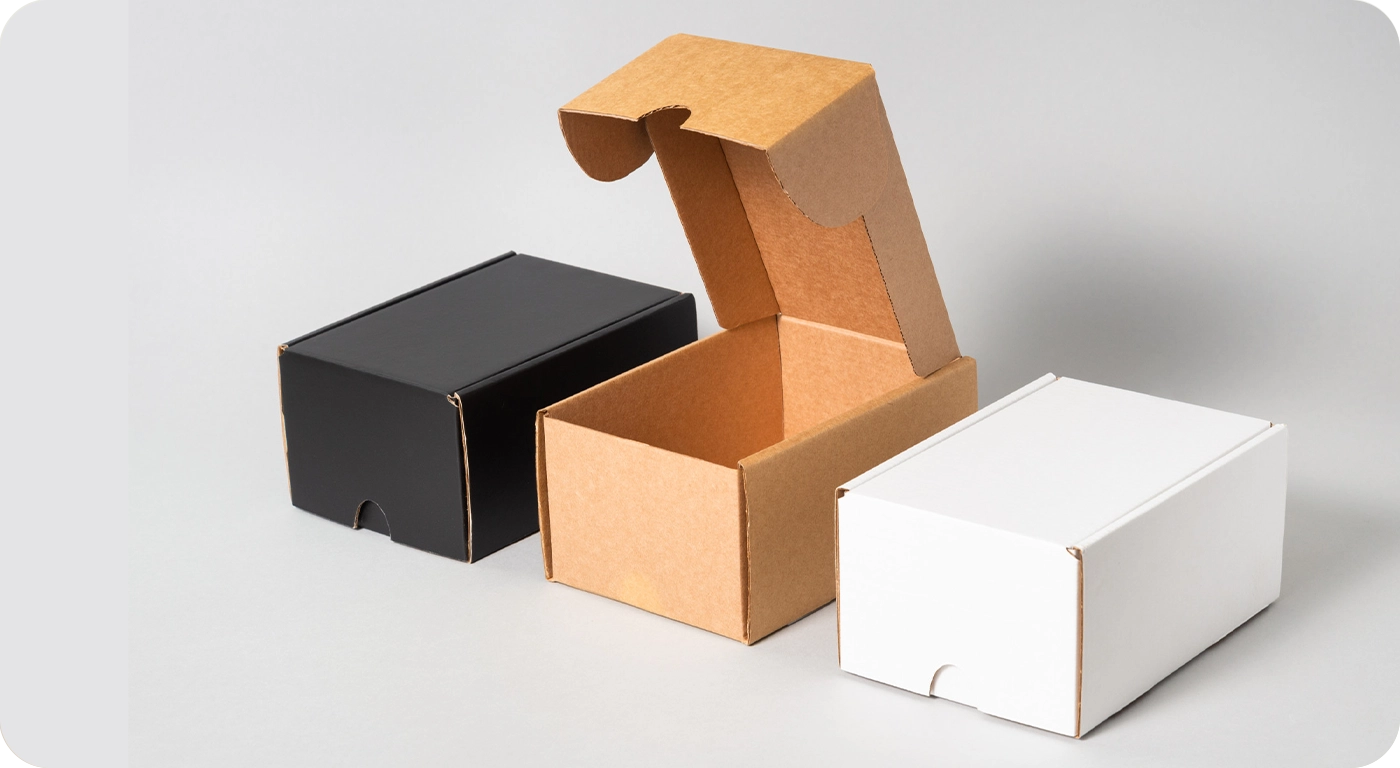
In today’s market, packaging is a powerful marketing tool and not just a mere container. The right packaging or custom boxes does a lot for the product, even before consumers touch the product. It communicates the brand’s story; it captures attention of the consumers in a way that it influences their buying decisions. For e-commerce, cosmetic brands, and retail, packaging is the first physical interaction with your target audience, which makes design a critical part of business success.
From materials to usability and layout to colours, custom packaging design creates an impressionable experience and encourages repeat purchases. Here’s a guide to designing packaging with practical tips to entice customers.
Understand Your Target Audience
Understanding your clients is the first step towards creating a packaging that really works for them. Every choice, from hues to textures, should be taken into account in accordance with their taste and expectation.
- Demographics: Age, gender, and lifestyle determine the font styles, colour palettes, and overall design.
- Buying Behavior: Are your customers value-focused, premium-focused, or eco-conscious?
- Product Type: Cosmetic packaging, retail packaging, and food packaging each creates a unique expectation that affects how customers perceive and use the product.
Once you know your audience, it makes it easier to design packaging that protects the product as well as tell the brand’s story in a way that resonates.
Use Colour and Typography Strategically
For customers to perceive the product as luxury, quality and trustworthy, it is colour and typography that they often notice at first in packaging.
- Products are bound to stand out on crowded shelves or in e-commerce photos when bold and bright colours are used.
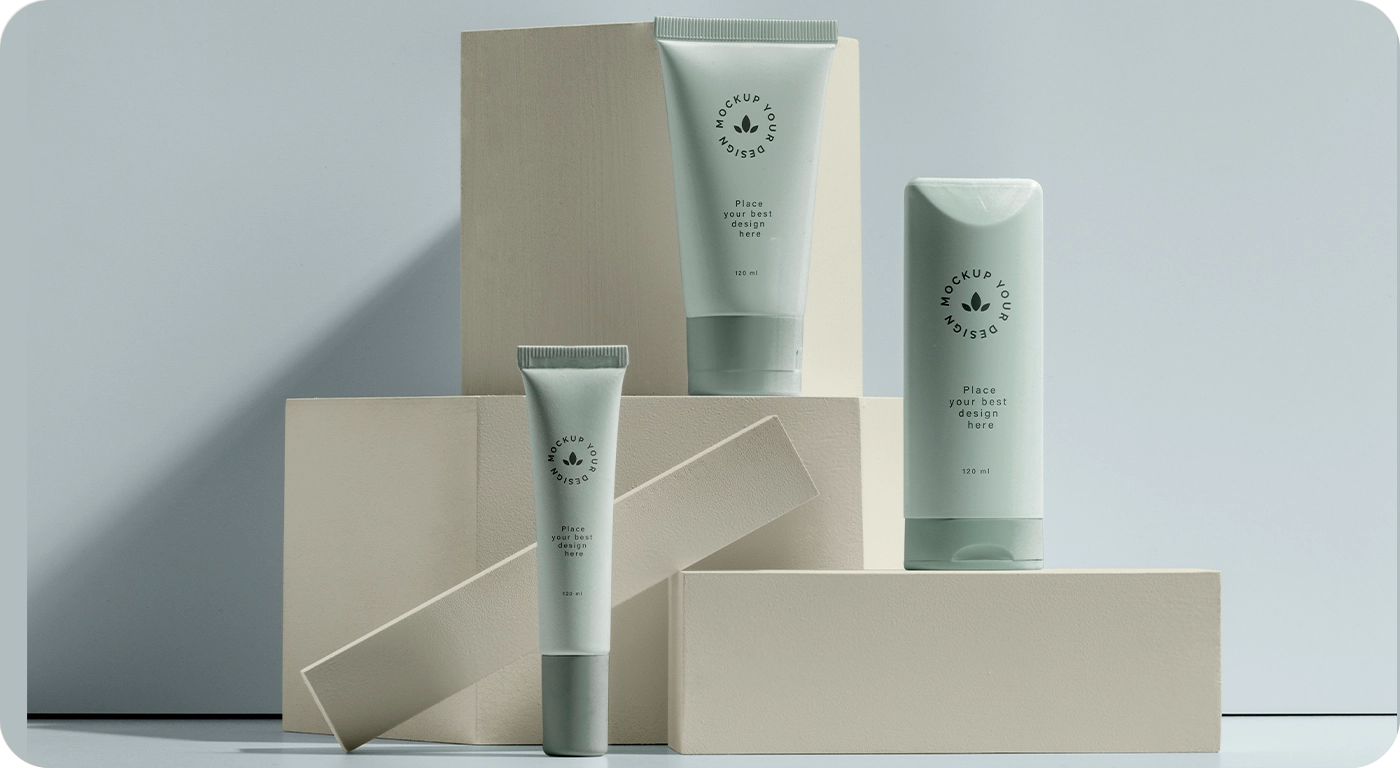
- Cosmetic packaging or premium retail products often use neutral or muted tones to convey elegance.
- Customers can better understand the product and its benefits if the typography is clear and readable.
If the product and packaging remain consistent, it enforces brand identity and builds long-term customer recognition.
Choose Materials That Reflect Brand Values
There’s a lot more to custom box than just it’s visual design. The materials you choose has to communicate quality while supporting practical needs:
- Sturdy cardboard or corrugated boxes allow full customization while protecting the product during shipping.
- Eco-friendly kraft or recycled materials sit well with environmentally conscious consumers.
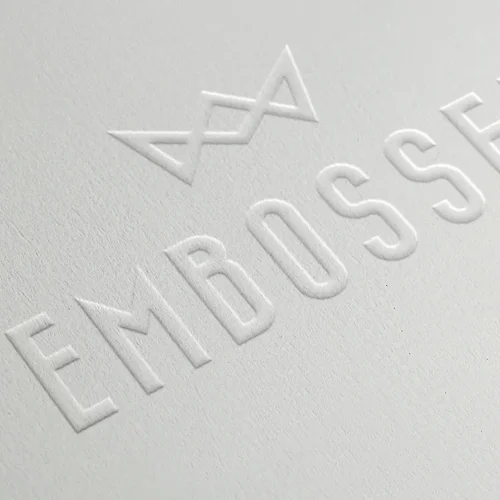
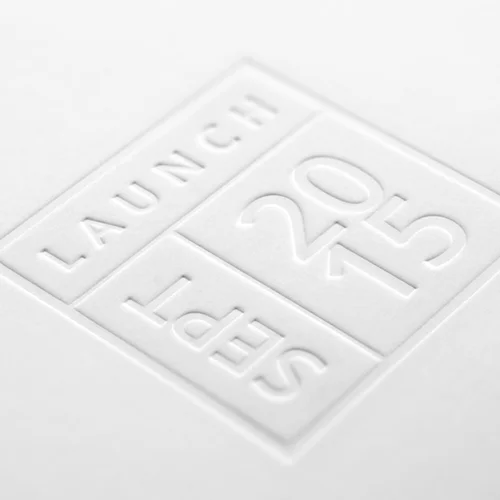
- Luxury finishes, such as soft-touch coatings or embossed textures, add a premium feel for cosmetics and high-end retail products.
Using the right materials balance protection, visuals, and sustainability to enhance both customer experience and brand perception.
Design for Functionality and Usability
Packaging has to be practical; it can’t only be about good looks! Functional design improves customer experience and reduces frustration:
- Easy-open tabs and resealable closures for convenience
- Protective inserts or dividers for fragile items
- Boxes sized for shipping efficiency, minimizing filler and reducing costs
Designs that are thoughtfully curated keep products safe, improves the unboxing experience, and leaves a lasting impression on the audience.
Visual Hierarchy and Branding Elements
A successful packaging catches the customer’s eye and guides it to highlight key information. Visual hierarchy makes sure that customers notice the most important details first:
- Brand logo and name
- Product name and benefits
- Ingredients, certifications, sustainability icons, or special features
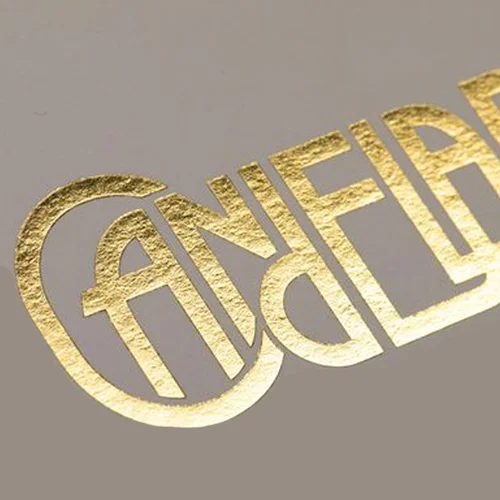
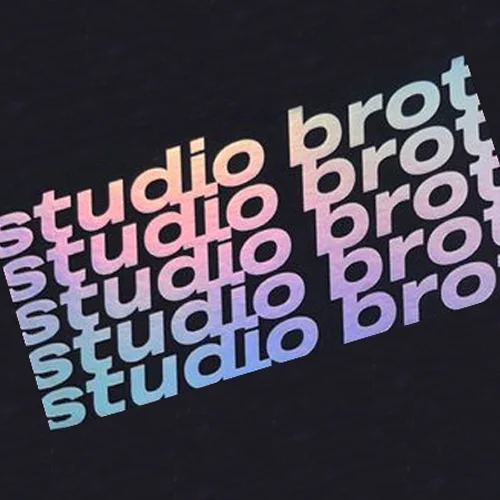
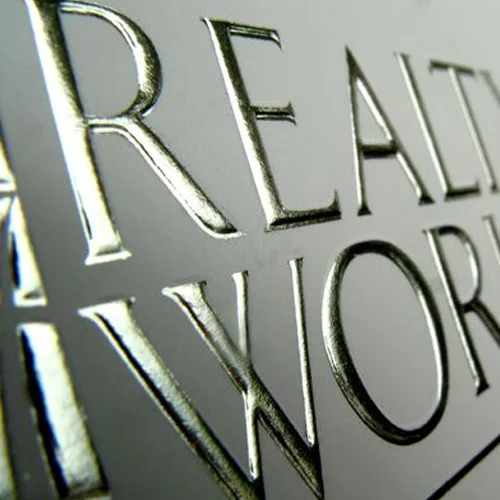
Custom printed box packaging allows brands to shine light on these elements effectively. For example, cosmetic packaging often uses subtle embossing or foil accents to highlight the logo and elevate perceived value.
Quick Design Tips to Attract Customers
- A clean and uncluttered layout
- Consistent use of colours
- Highlight the unique selling points
- Combine tactile elements like textures or embossing
- Align packaging with your target audience’s preferences
Even the smallest design adjustment can really boost the visual appear and customer perception of your product.
Test Your Packaging Before Launch
Real-world testing designs is highly crucial for a brand. Physical prototypes highlight the practical problems with your packaging and guarantee that your design is carried over from concept to final product:
- Check durability during shipping and handling
- Test usability, including opening, storage, and product access
- Evaluate visual impact in real settings, such as retail shelves or unboxing videos
Testing the packaging reduces errors, ensures customer satisfaction, and strengthens brand reputation.
FAQs: Packaging Design Tips
Q1. How can I make my packaging stand out online?
Use bold colours, clear branding, and strong visual hierarchy to catch attention in product photos, listings, and social media.
Q2. Do custom boxes help attract more customers?
Yes. Customized packaging improves first impressions and unboxing experiences, increasing brand recognition and repeat purchases.
Q3. What materials work best for premium products?
Luxury finishes like embossed cardboard, soft-touch coatings, and sturdy corrugated boxes enhance perceived value for high-end or cosmetic products.
Q4. How important is sustainability in packaging design?
Sustainable materials like recycled kraft or biodegradable inserts appeal to eco-conscious customers and reinforce your brand’s responsible image.