








For any custom packaging to be effective, whether it’s for shipping fragile goods, presenting retail products, or creating promotional gift boxes, getting the box size right is significant. How the product fits, what the shipping costs are, what the shelf appeal is like, or just the overall functionality, all depend on the dimensions of a box. If the measurements aren’t correct, it can lead to wasted materials, higher postage, and damage to the product in transit.
Having an understanding of how to measure box dimensions accurately and knowing which box styles match your product needs gives you the right packaging that not only performs technically but also improves the perceived brand value.
Why Accurate Box Measurement Matters in Custom Packaging
Starting with the basics, box dimensions are typically expressed as Length × Width × Height (L×W×H). Length for the longest side of the box opening, width for the shorter side across the front or top, and height measures vertically from base to the top edge. These numbers allow the product to fit right, but also affect:
- Material wastage
- Increased costs
- Shipping and logistics
- Shelf placement
- Product protection
When brands are ordering custom packaging boxes, they must understand the difference between internal and external dimensions.
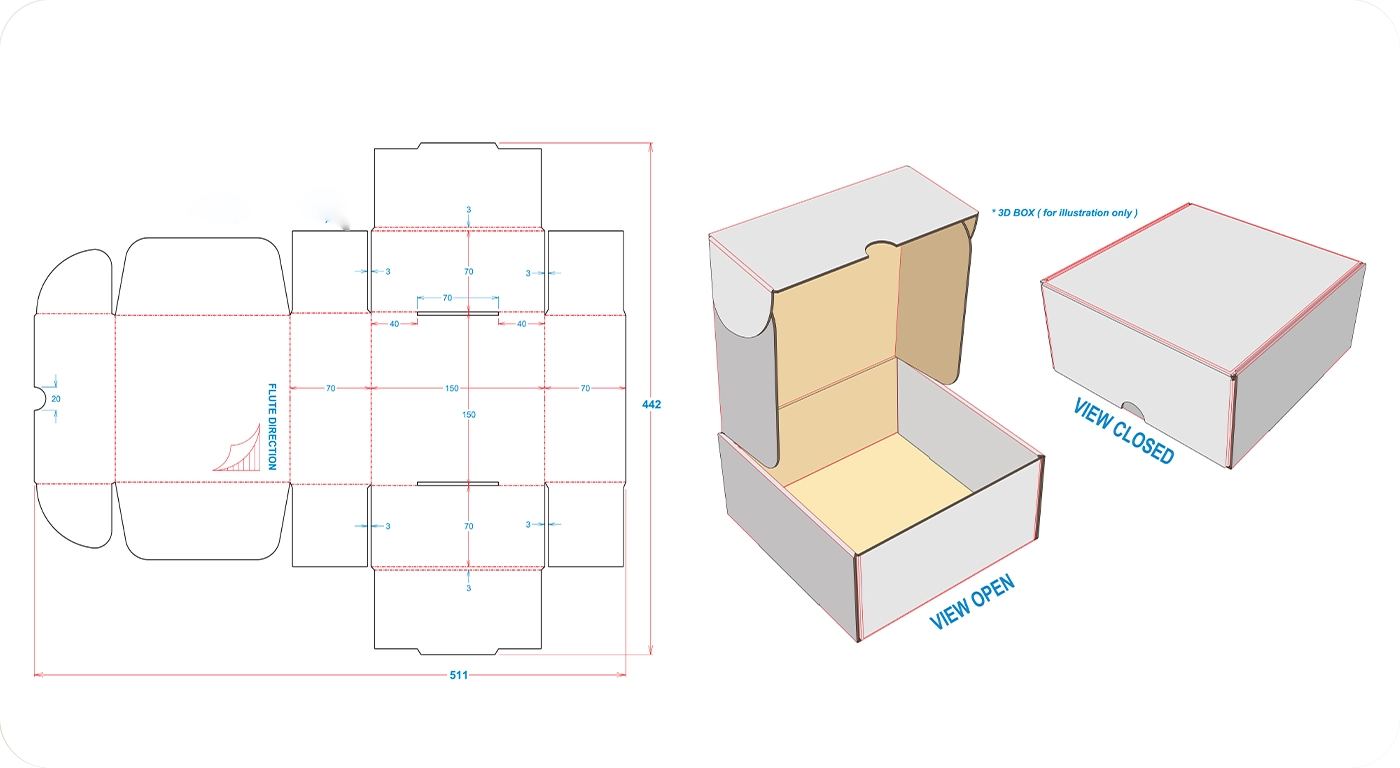
External measurements include material thickness, which varies with board type. Internal measurements, on the other hand, determine usable space for the product.
Internal vs External Dimensions: A Key Detail Often Overlooked
Internal dimension refers to the usable space inside the box where the product sits, while external dimensions include the thickness of the material, as some materials add a few extra millimetres to each wall.
For example, a box with 200 mm internal length and 3 mm wall thickness will actually measure 206 mm on the outside, which makes a huge difference in shipping calculations, pallet planning, and retail shelving.
How to Measure Box Dimensions Like
Before you order your packaging, it’s helpful to measure your product with all the protective inserts or padding you plan to use first. This way, the box provides a snug, secure fit.
Step‑by‑step measurement process:
- Lay out the finished product, including any paper, foam, or tray, on a flat surface.
- Use a steel tape for accuracy and measure the length (longest product dimension), width (shorter side from front to back), and height (vertical distance from base to highest point).
- Add a small clearance (e.g., a few millimetres) to each measurement, especially for fragile or padded items.
- Document your measurements clearly using the standard L×W×H format and specify whether the dimensions are internal or external.
Choosing the Right Box Style for Your Product
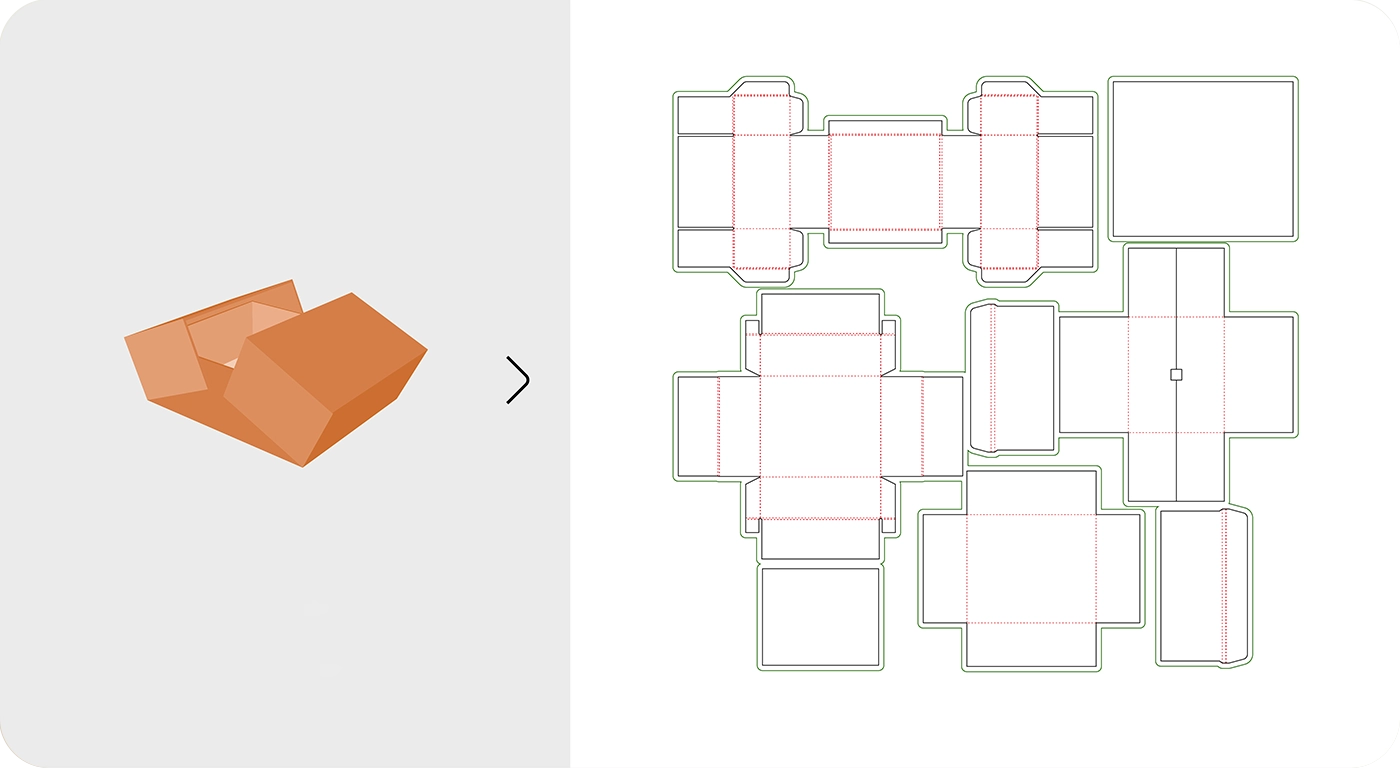
Box style influences the usability, protection, and brand presentation; not only aesthetic. Here are some of the most common and adaptable box styles used in custom packaging nowadays:
- Regular Slotted Carton (RSC): This box is the most widely used style for general packaging and shipping that you see everywhere. Flaps meet in the middle, secured with tape, cost-effective, and versatile for a range of products.
- Tuck End and Reverse Tuck End Boxes: Ideal for retail and e-commerce packaging, these boxes give easy access and clean presentation, especially attractive for products displayed face-forward.
- Two‑Piece and Magnetic Boxes: These rigid boxes elevate the unboxing experience with their separate lids or magnetic closures, making them perfect for premium or luxury goods and gifts.
- Auto Bottom / Snap Lock: These boxes are great for bulkier e-commerce items with their self-locking styles that save packing time and provide a sturdy base.
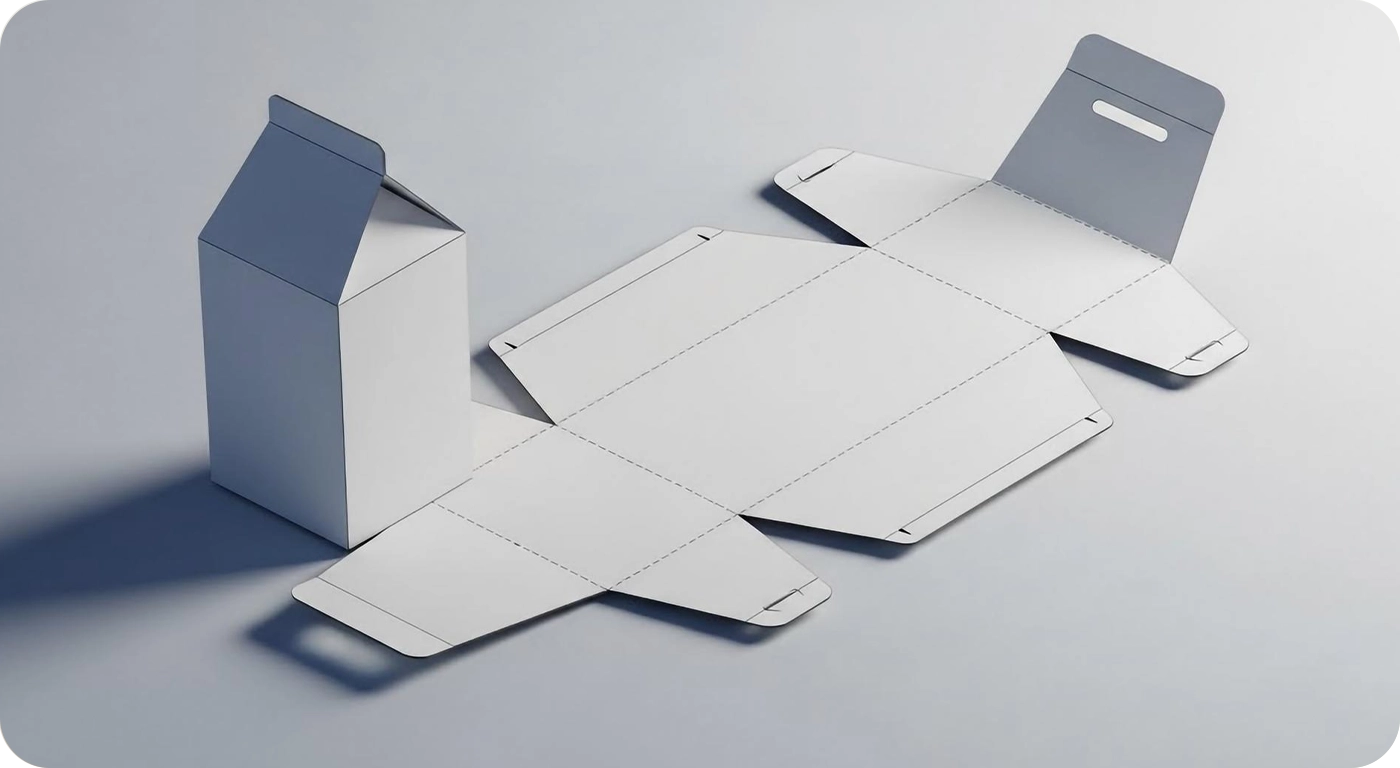
- Pillow and Gable Boxes: Distinctive shapes like pillow or gable boxes help products stand out in customer hands and add visual intrigue for gifts, cosmetics, or event packaging.
Each style pairs with specific size needs for the product to stay secure and look visually appealing.
How Box Size Affects Shipping and Storage Costs
When the boxes are too large, not only is the material wasted but the transportation expense is also increased significantly since couriers often calculate fees based on dimensional weight, a formula that factors the volume of the package rather than the actual weight. The excessive internal space has you paying for air, not the product. Optimizing the box with accurate dimensions and measurements supports logistics efficiency and cost control both.
With the right box sizing and style selection, brands can create custom packaging that is functional, efficient, intentional, and visually aligned with their products.