









Most people don’t think twice about the box their drink comes in, until it fails. A squashed carton, a damp patch from condensation, a shape that doesn’t stack well… these are the things that can quietly sabotage a busy café, a bustling hospitality service, or a fast-moving delivery setup.
Beverage boxes might appear as simple packaging, but people who work with them daily know how much of a central role they play in everyday operations. They carry liquids, they manage temperature, they stack, they influence waste streams, and when designed well, they make life easier for staff and more reliable for customers.
What Makes Beverage Boxes Different
Beverage packaging isn’t about containing solids. It’s about managing liquid, which moves, sloshes, presses outward and interacts with moisture in ways solid foods never do.
A good beverage box must:
- Support weight reliably, especially when filled
- Resist moisture, whether from external ice coolers or condensation
- Be easy to stack and transport, both for staff and customers
- Maintain integrity even when wet or chilled
These needs lead beverage packaging straight into a category where structure matters as much as aesthetics.
Materials That Match the Job
Not all cartons are created equal, particularly when it comes to liquids.
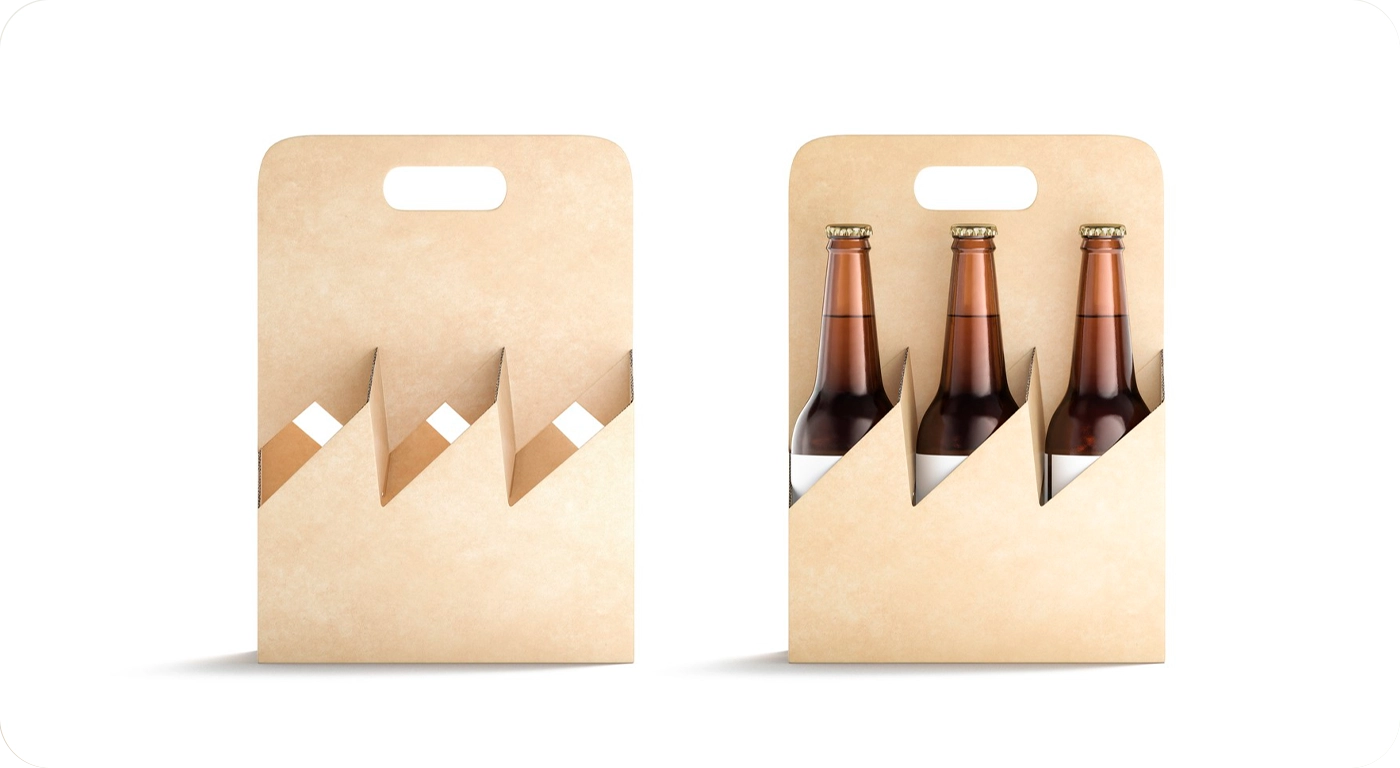
- Corrugated Board are great for heavier loads, as strong fluted layers help absorb shock and maintain the box’s shape, even when stacked.
- Paperboard with Coating is ideal for retail packs of small bottles, as grease-resistant or moisture-resistant coatings help manage condensation.
- Waxed or Polycoated Boards provide extra protection when beverages are chilled or transported with ice, perfect for delivers or events.
Choosing the right material isn’t just about durability, it’s about how the product will be used. A chilled juice box going straight from fridge to carrier bag needs different material considerations compared to ambient beverages shipped long distances.
Design That Works With Your Workflow
In a café or restaurant, packaging touches multiple hands before it reaches the customer. Beverage boxes must make sense operationally:
- Handles or grips that stay comfortable even when wet
- Stackable shapes that don’t topple behind the counter
- Labels positioned for quick scanning and identification
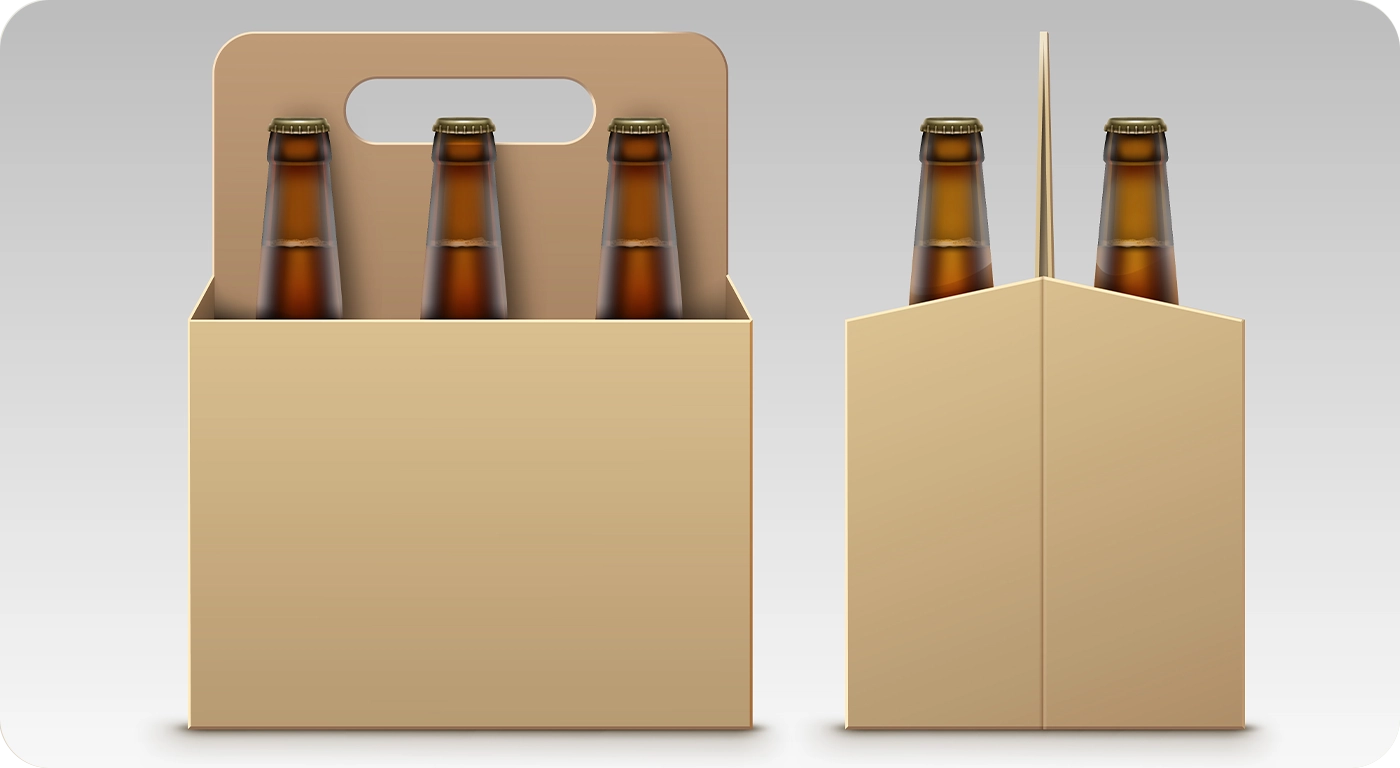
- Box sizes that align with bottle, can or cup heights
Inconsistent internal sizing may lead to wobbling, crushing or wasted material. Good beverage packaging is measured from the inside out, designed around the products it carries, not the other way around.
It’s not just about the box; it’s about how it feels in the hands of the people putting drinks together at peak service times.
Branding Opportunities in Beverage Boxes
Beverage boxes might be functional, but they can also be expressive.
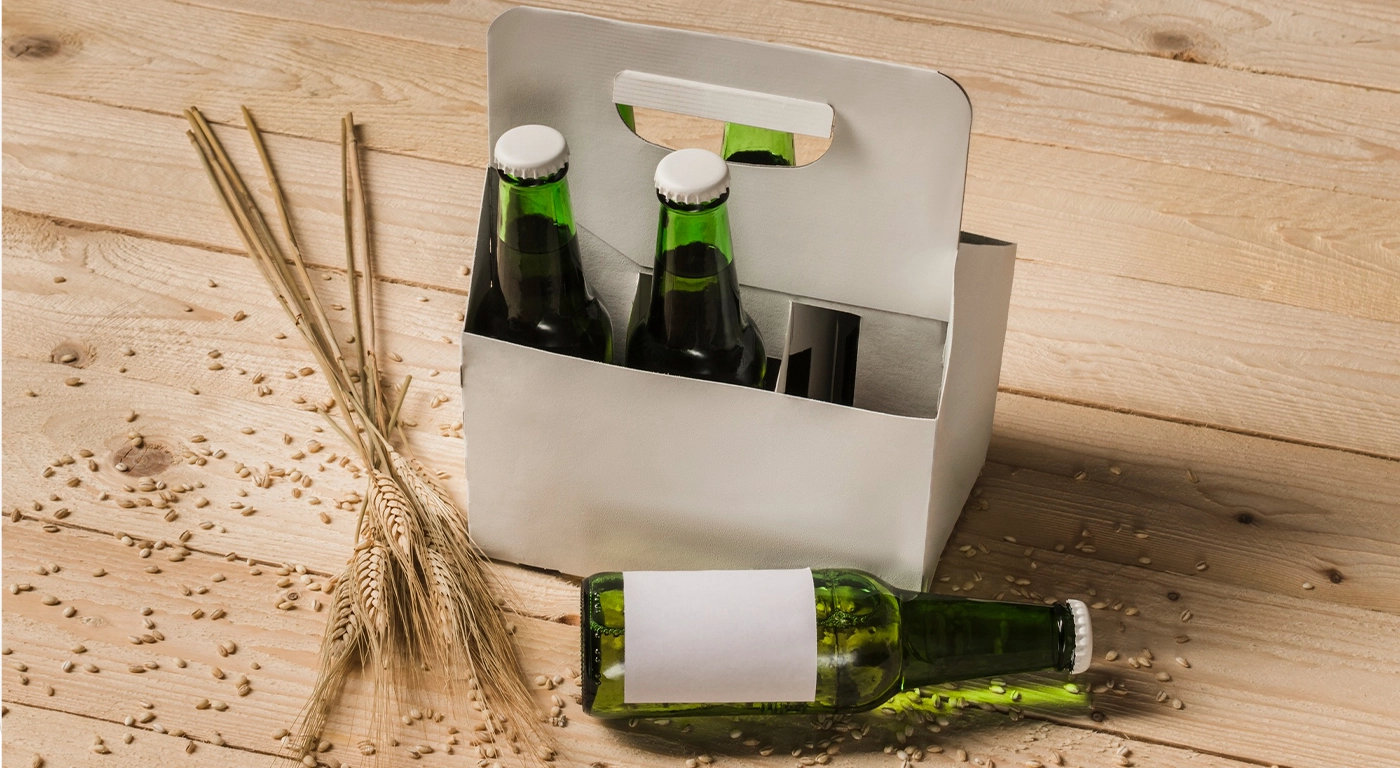
When done right, a drink box does more than hold a beverage, it conveys quality. Clean, clear branding on a box that’s solid and dependable reinforces customer confidence.
Effective beverage box design can include:
- Brand colours and graphics that align with product identity
- Narrative elements that explain flavours or sourcing
- QR codes linking to tasting notes or sustainability practices
- Clear icons that communicate recycling or storage instructions
A café printing its own blends? A craft brewery with seasonal releases? A juice bar launching new flavours? Each has an opportunity to turn everyday packaging into a touchpoint for brand connection.
Protecting Beverages on the Move
Takeaway and delivery continue to dominate food and beverage trends across Australia. When a beverage travels, whether in a courier bag or a customer’s hand; packaging plays a critical role in keeping the experience positive.
A well-designed beverage box:
- Prevents spillage during movement
- Holds temperature (chilled or ambient) more reliably
- Reduces customer frustration
- Minimises waste from crushed or leaky containers
Delivery drivers and customers alike appreciate packaging that performs consistently, whether it’s a hot coffee on a rainy morning or a chilled juice on a sunny weekend.
Everyday Uses for Beverage Boxes
Beverage boxes aren’t just for takeaway chains. They show up everywhere:
- Cafés and coffee shops sending drinks out the door
- Bars and pubs packaging bottled mixers or growlers
- Event catering transporting drinks for functions
- Retailers selling multipacks of cones, bottles or cans
- Subscription beverage services sending curated selections
Across all these use cases, the same priorities arise: protection, branding, efficiency and customer experience.
Practical Tips Before You Order Beverage Boxes
If you’re thinking about upgrading your packaging, a few practical considerations go a long way:
- Size accuracy
- Moisture management
- Ease of handling
- Clear branding
Prototypes and samples help solve these questions long before large production orders.
Beverage Boxes You Can Depend On
Beverage packaging sits at the intersection of function and identity. It’s about making sure the drink arrives as intended, without spills, bends or buried brand recognition.
Well-designed beverage boxes improve operational flow, reduce waste, reinforce brand values and make customers feel like the care put into the drink extends to the box that carries it.
Much of the time, they work behind the scenes, unnoticed, reliable, unremarkable until they don’t do their job. But when you give beverage packaging the attention it deserves, the benefits show up in happier customers, smoother service and a stronger brand impression.