






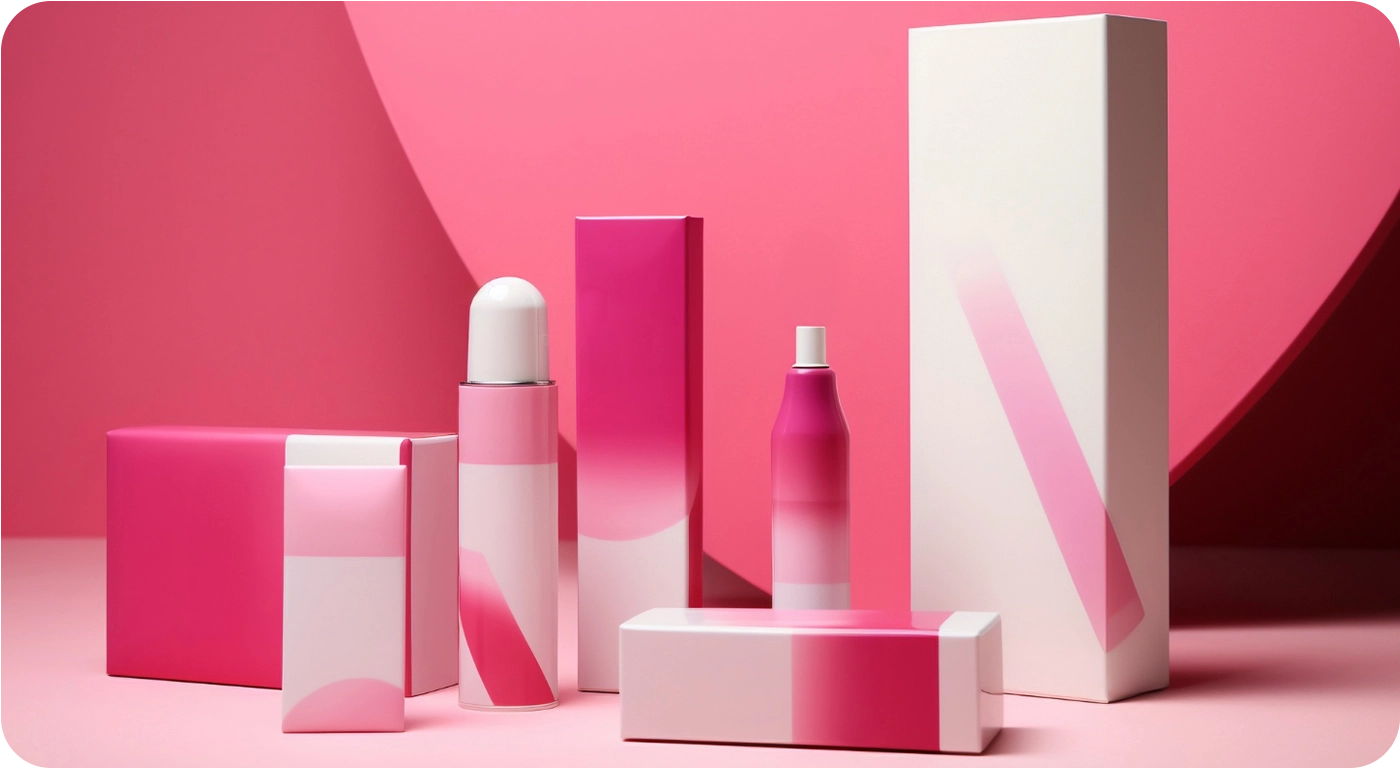
Packaging trends are not about following fads. They reflect how people shop, what they value, and how they interact with products.
As online shopping grows and retail shelves become more crowded, packaging must work harder. Customers expect clarity, consistency, and quality. Brands that ignore these shifts risk appearing disconnected or untrustworthy.
Good packaging trends improve recognition, strengthen perception, and support repeat sales.
Minimal Design with Purpose
Minimalism remains one of the strongest packaging design trends, but it has matured.
Today’s minimal packaging is not empty or plain. It is intentional. Clean layouts, limited color palettes, and clear typography help customers understand the product instantly. This approach works especially well for premium, wellness, and lifestyle brands.
Minimal design communicates confidence. When nothing feels excessive, everything feels deliberate.
Focus on Material Experience
Consumers are paying closer attention to how packaging feels, not just how it looks.
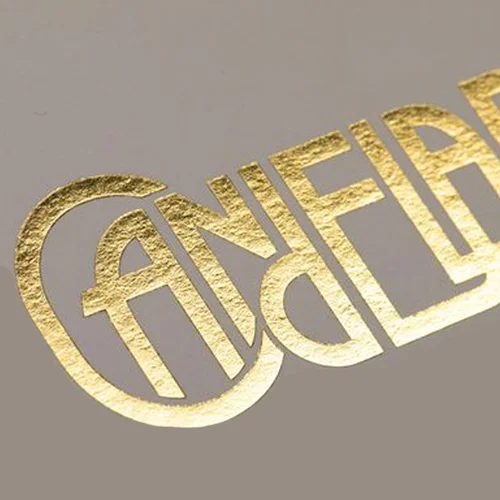
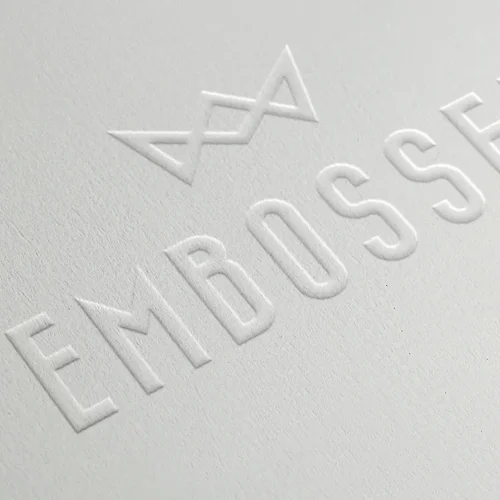
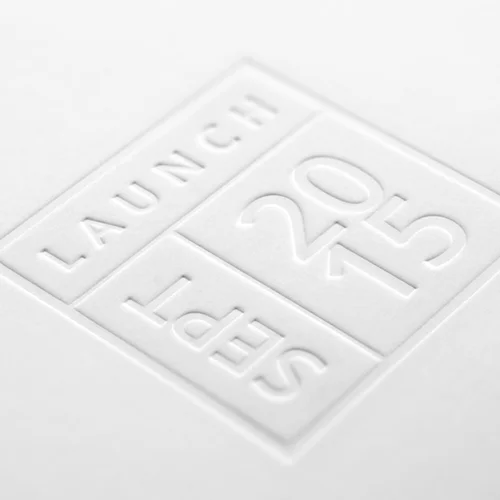
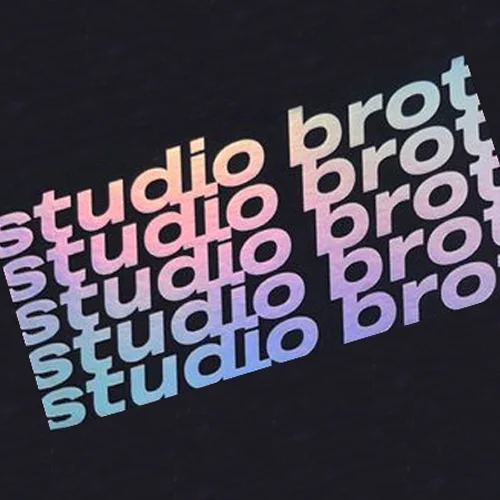
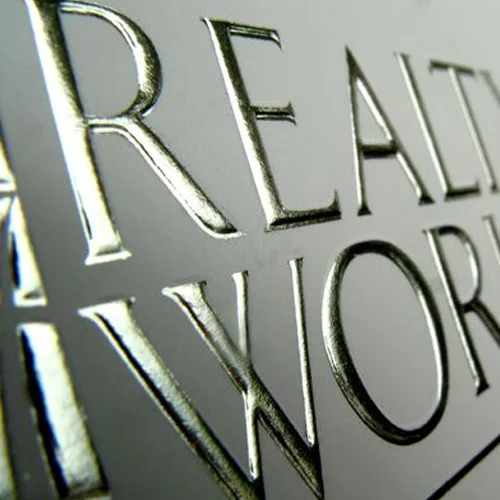
Textures, finishes, and material weight all influence perceived quality. Matte finishes feel refined, soft-touch coatings add depth, and sturdy boards signal durability.
Brands are moving away from thin, flimsy packaging and toward materials that feel considered and reliable. This tactile experience plays a major role in how customers judge value.
Sustainability as a Design Feature
Sustainability is no longer hidden in fine print.
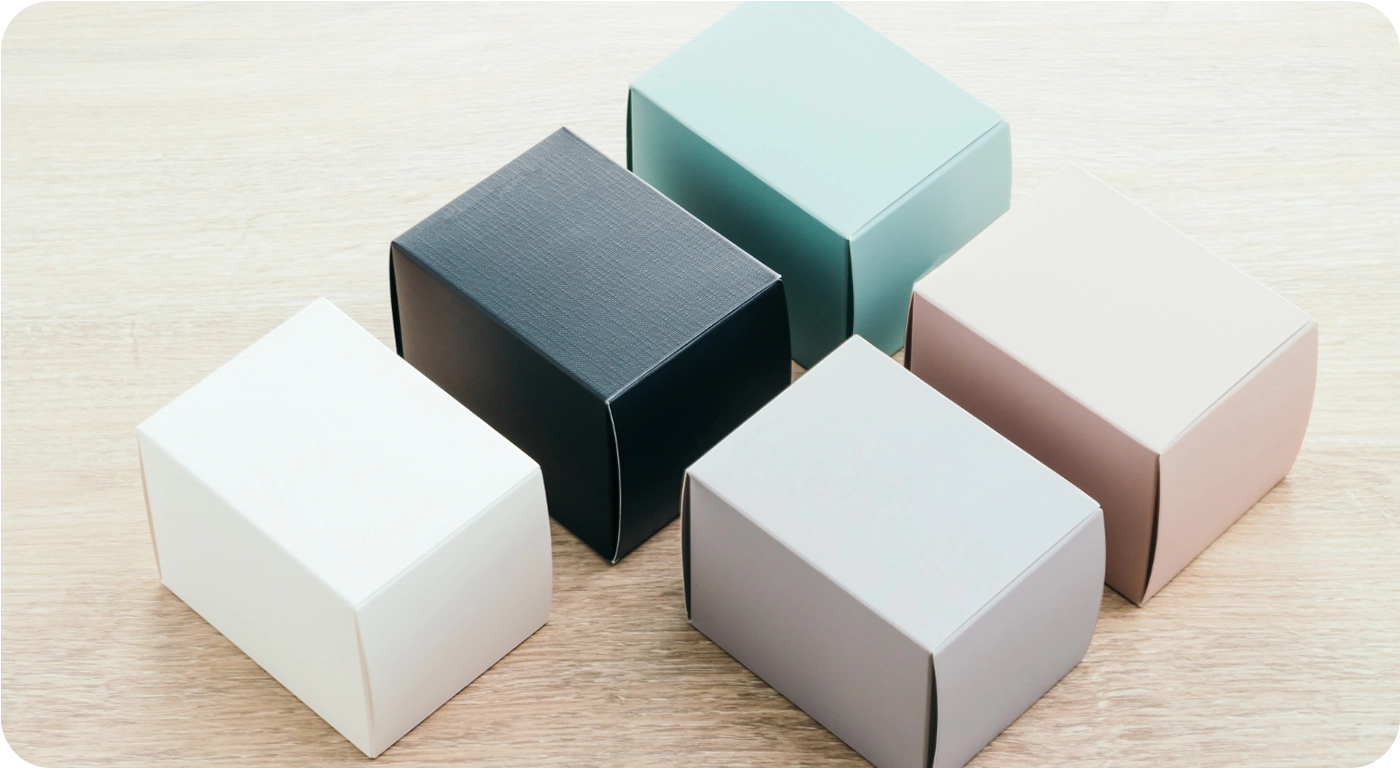
Eco-friendly packaging is now part of the visual language. Kraft materials, muted tones, and natural textures clearly signal responsible choices. Many brands are designing packaging that looks sustainable at first glance.
Clear sustainability cues help customers make quick decisions and strengthen brand trust. When sustainability is built into the design, it feels authentic rather than performative.
Packaging Designed for Digital Display
Packaging is now seen online as often as it is seen in person.
Designs must photograph well for websites, marketplaces, and social media. Clean color contrast, readable typography, and strong visual hierarchy perform better on screens.
Brands are designing packaging with digital display in mind, ensuring it looks sharp in product listings, unboxing videos, and customer photos. If packaging does not translate well online, it limits reach and engagement.
Strong Brand Consistency Across Products
Customers expect consistency across product lines.
Packaging trends increasingly favor cohesive systems rather than one-off designs. Similar layouts, shared color logic, and repeatable design elements help customers recognize a brand instantly.
Consistency reduces confusion and builds familiarity. When customers can spot your product quickly, trust follows naturally.
Clear Information Without Clutter
Modern packaging prioritizes clarity.
Customers want to know what the product is, what it does, and why it matters. Design trends favor structured information hierarchy where key details are easy to scan without overwhelming the design.
Clear messaging improves customer confidence and reduces hesitation at the point of purchase.
Packaging That Feels Reusable
Reusable packaging is becoming more common across categories.
Boxes designed for storage, gifting, or repurposing add perceived value. Customers appreciate packaging that feels useful beyond the initial purchase.
This trend supports sustainability goals while also creating a longer-lasting brand presence in the customer’s space.